
Orthodontics focuses on correcting the position of teeth as well as improving the patient’s occlusion (bite) and the appearance of their jaw and facial features
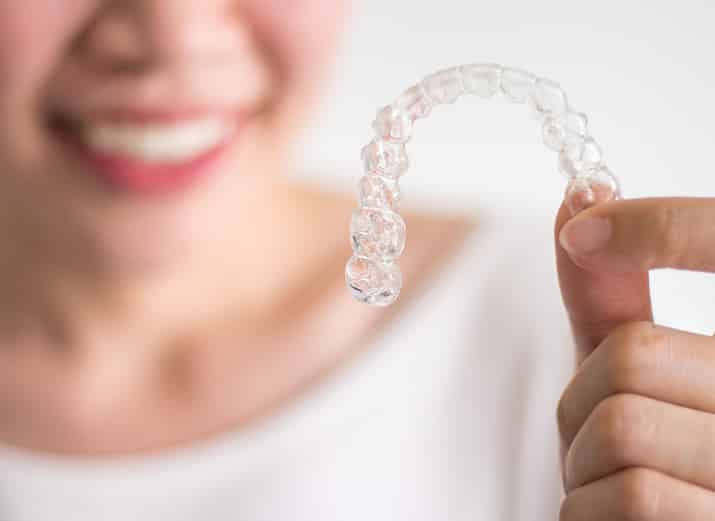
Invisalign No Braces
Invisalign offers a virtually invisible way to straighten your teeth and improve your smile without the need for fixed braces. The position of your teeth is gradually adjusted over time by a series of clear, removable aligners, instead of fixed brackets and wires. The gentle nature of this treatment makes it an appealing option for many people. Other popular features are the fact that no one will know you are wearing the aligners, and that you can easily remove them for eating, cleaning and special occasions.
Before having Invisalign treatment with Smile Solutions, one of our specialist orthodontists will assess you for suitability and provide you with a detailed outline of the process. This will give you an approximate timeframe, including an allowance for any general dental work that will be required beforehand.
Learn More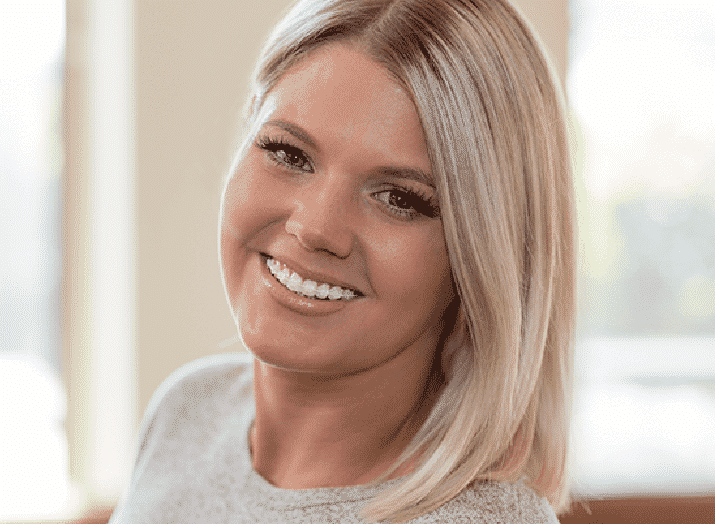
Traditional and Clear Braces
Conventional braces are fixed to the front (or cheek side) of the teeth. Suitable for patients of all ages, conventional braces consist of two parts: a series of either metal or clear brackets that are attached to each tooth, and an arch wire that runs through slots in the brackets. When tensioned, the wire slowly moves the teeth into the desired position.
Clear braces, sometimes also known as ceramic braces, are attached to the front of your teeth, just like traditional braces, but are made from a ceramic material that matches your tooth colour. They are practically invisible from 2 to 3 metres away. A clear wire is attached to each brace and is gradually tightened, gently guiding your teeth into position.
Learn MoreInternal Lingual Braces
Internal lingual braces allow you to have orthodontic treatment without anyone knowing you are wearing braces. They are fitted to the backs of the teeth (on the tongue side). Many patients find these braces more comfortable as they can’t rub on the inside of your lips as conventional braces might. This treatment is excellent for patients who want undetectable treatment with superior orthodontic results, as internal lingual braces straighten and realign teeth just as well as conventional braces do.
Internal lingual braces are the perfect choice for patients wanting a completely hidden orthodontic treatment. As with conventional braces, internal lingual braces are suitable for people of any age, although in some instances they may not be suitable for those with a deep bite.
Learn More
Children’s Braces & Invisalign
Generally, it may be a good idea to have an orthodontist check on the development of a child’s permanent teeth at age 9 or 10 to assess whether orthodontic treatment will be necessary later on. At Smile Solutions we know the importance of prevention, as early preventative treatment can in some cases reduce or eliminate the need for braces later in life.
Learn More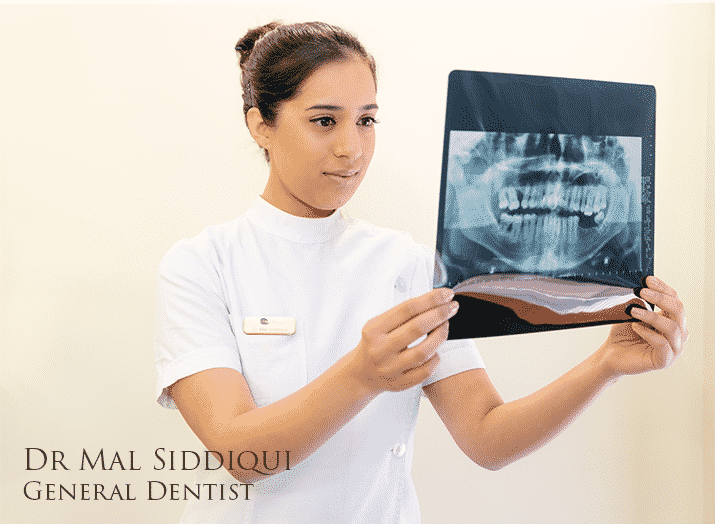
Jaw Surgery
Orthodontic treatment can be used to fix most bite problems. If, however, the patient is an adolescent or an adult and the problem is so severe that orthodontic treatment alone cannot correct it, then jaw surgery (also known as orthognathic surgery) may be required.
Your orthodontist will assess whether you require jaw surgery. All such surgery is carried out by an oral & maxillofacial surgeon – a registered specialist with degrees in dentistry, medicine and surgery.
Learn MoreFrequently Asked Questions
Orthodontic treatment is suitable for people of all ages. The usual time to start orthodontic treatment in the form of braces is at around 11 to 14 years of age, when most permanent teeth have come through, but you can start treatment at any age. At Smile Solutions we see many adult patients who did not have orthodontic treatment when younger or whose teeth have moved since their previous treatment.
At Smile Solutions, the majority of our orthodontic patients are adults. You are never too old to have braces or Invisalign and you can start wearing them at any age. So if you want straighter teeth, come in for a consultation with one of our orthodontists and they will discuss the different orthodontic options available to you.
At first it may take some time for your mouth to adapt to the feel of your braces or Invisalign aligners; and with the braces in particular, you may experience some rubbing on your lips and cheeks. When braces or Invisalign are first fitted, and following each adjustment visit or new Invisalign tray insert, your teeth will feel tight, making both teeth and gums feel a little tender. The feeling of tightness and tenderness means your teeth are moving and these sensations may last up to a week. During this time, we recommend that you eat soft foods that require little chewing. Over-the-counter pain management medication can also help if you feel a lot of discomfort.
Orthodontics isn’t just about making your teeth straight or making them look better; it’s also used to correct bite problems.
The most common types of bite problem are:
- crowding
- excessive spacing
- crossbite
- overbite
- underbite
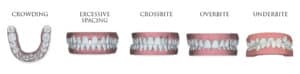
Your bite (how the top and bottom teeth meet) can affect how well you chew your food and can also make it harder for you to maintain good oral hygiene. This is why a full set of braces or Invisalign is sometimes needed, rather than separate treatment of the top or bottom rows of teeth. That said, people who already have a good bite may require braces or an aligner only on the top or the bottom teeth.
When recommending treatment, your orthodontist will assess your bite to determine whether extractions or surgery are necessary or whether your bite can be corrected with braces or Invisalign. Patients with poor jaw alignment may require additional treatment in the form of either orthopaedic appliances (devices used to influence the growth and/or position of bone) or surgery.
The length of your orthodontic treatment can depend on the problem to be treated and on how much movement is needed to bring the teeth into the desired position. Treatment can vary from a few months in straightforward cases to two to three years for very complex cases. Another factor is the type of treatment option you choose; treatment with conventional braces is likely to have a different timeframe from treatment with Invisalign. Your treating orthodontist will be able to give you a time estimate at your initial consultation.
Excellent oral hygiene is crucial for anyone wearing braces or Invisalign. With braces it’s particularly important to make sure the areas around your braces and along your gum line are kept free from plaque. As these areas are more difficult than usual to clean, we advise patients with braces to book regular teeth cleaning appointments with one of our dental hygienists. If you choose Invisalign aligners, your twice-daily oral hygiene routine of cleaning and flossing can easily continue because the aligners are removable.
Also, with braces you might occasionally loosen a bracket or the wire, either by eating something hard, when chewing or through particular physical activities. In such instances you should make an appointment with your orthodontist so they can repair your braces.
It is highly likely your teeth will move after your braces are removed, especially within the first few months, when the gums and bone around your teeth are readjusting and need to firm up. For this reason, once orthodontic treatment is completed and the braces or Invisalign trays are no longer required, your teeth must be kept in their new position with a retainer.
Depending on your dental requirements, a retainer can take the form of either a removable clear plastic mould worn over your teeth or a fixed wire attached behind the teeth that keeps your teeth stable while the bone and gums adapt to their new alignments.
The length of time for which you will need to wear your retainer is very much dependant on your individual case, and your orthodontist will prescribe on a case-by-case basis.
There are many different factors involved in the cost of orthodontic treatment. For both braces and Invisalign, the more involved the treatment, the higher the likely cost. A simple treatment that may take six months would naturally cost less than two to three years of orthodontic treatment, including the removal of teeth and oral surgery to correct the patient’s bite or reposition of their jaws.
For patients with braces, the type of braces used will largely determine the cost of the treatment. Conventional braces are still the most commonly used orthodontic appliance and are the least expensive option. However, if the appearance of metal is not to your liking, there are also clear braces. While these usually achieve the same result, they are more aesthetically pleasing and tend to cost more due to the higher value of the materials used. Then there are also internal lingual braces and Invisalign, both of which are individually customised to fit you and no one else, which is reflected in the price.
Your choice of clinician can also affect the cost of treatment. At Smile Solutions, your orthodontic treatment will only ever be performed by a specialist orthodontist, while elsewhere you might be seen by a general dentist for Invisalign treatment. Before you undergo orthodontic treatment, it’s important to understand the difference between these two types of practitioner.
Smile Solutions offers interest free dental payment plans to patients for all general, cosmetic and specialist treatment plans up to $9000 in value.
Some general dentists have obtained certification that entitles them to carry out Invisalign treatment. However they are not specialists and are not qualified to treat with any other type of braces.
For treatment with braces you need to see a specialist orthodontist. These practitioners have had three to four years of additional training in the specific field of orthodontics on top of their dental degree. The training qualifies them for registration with the Dental Board of Australia as a specialist and enables them to gain comprehensive experience in their field of expertise, with their sole professional focus being on correcting the position of teeth.
Seeing a specialist orthodontist for your orthodontic treatment means you receive specialist care from a highly trained and experienced expert.
At Smile Solutions your orthodontic treatment will be carried out by one of our specialist orthodontists. If you require jaw surgery, that will be performed by one of our oral & maxillofacial surgeons.
Our Specialist Orthodontists:
Our Oral & Maxillofacial surgeons:
Smile Solutions is Australia’s largest dental practice, which means we cater to all your dental needs under the one roof. Since 1993, Melbourne’s Smile Solutions has offered patients resident orthodontist care in the same location as general dentistry, providing all the latest treatment options, including Invisalign and internal lingual braces.
We have a team of six experienced orthodontists on hand to perform your orthodontic treatment and help perfect your smile. With these specialists practising in the same location as our general dentists and hygienists, Smile Solutions’ orthodontic patients can have their treatment back-to-back with general dental check-ups and cleans, without leaving the building.
We pride ourselves on our visually beautiful and serene practice, which puts our patients at ease during any dental treatment. We want to make your experience with us as easy and stress free as possible, and you can be sure we will provide you with the highest level of care.
Smile Solutions offers interest free dental payment plans to patients for all general, cosmetic and specialist treatment plans up to $9000 in value. Receive the dental treatment you need with easy fortnightly payments.