



Bruxism, or grinding and clenching of the teeth, is a common condition that often goes undiagnosed.

Understanding bruxism
Unmanaged bruxism will lead to long-term irreversible wear and damage and the need for complex restorative treatment.
In some cases bruxism is self-diagnosed but in many cases it is diagnosed by others (such as a partner who hears the grinding during the night) or by a dental professional who notices evidence such as worn-down teeth or fractures of the teeth or dental restorations.
Stressful life events, altered mood, sleep disorders (such as restless leg syndrome and sleep apnoea), smoking, alcohol, caffeine, and some prescription or recreational drugs are risk factors contributing to bruxism. However, many individuals suffer from bruxism without a clear cause.
Signs & Symptoms of TMD
- Abnormal tooth or enamel wear, and fractured teeth or dental restorations such as fillings and crowns
- Joint pain or tenderness in the jaw
- Jaw muscle discomfort, facial pain, or earache
- Headaches or migraines
- Gum recession
- Tight or stiff shoulders
- Poor quality sleep
What are the causes of TMD?
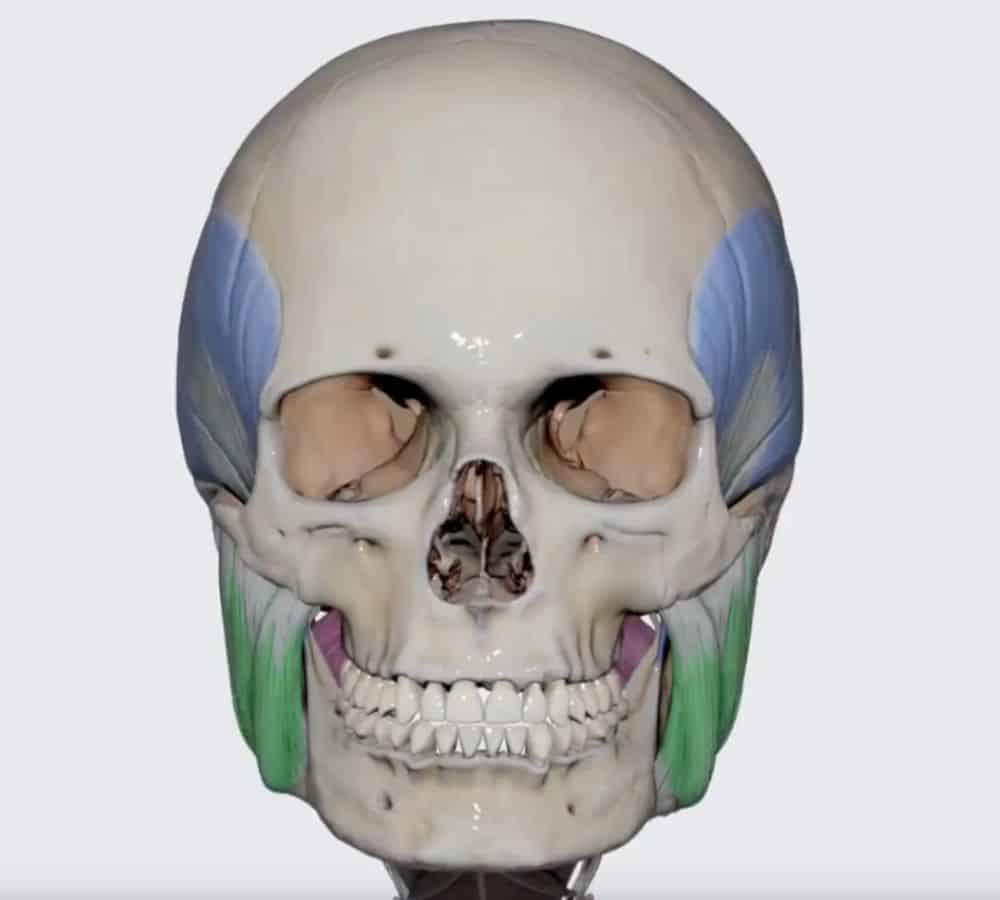
Temporomandibular Joint (TMJ)
TMJ refers to the temporomandibular joint, which is a hinge that connects your jaw to your skull bones in front of each ear. It lets you move your jaw up and down and from side to side, so you can talk, chew and yawn. It is one of the most complicated joints in the whole human body.
Pain and problems associated with the TMJ is characterised by severe clicking, pain from chewing hard foods, pain during dental treatment, locking and reduced ability to open your jaw.
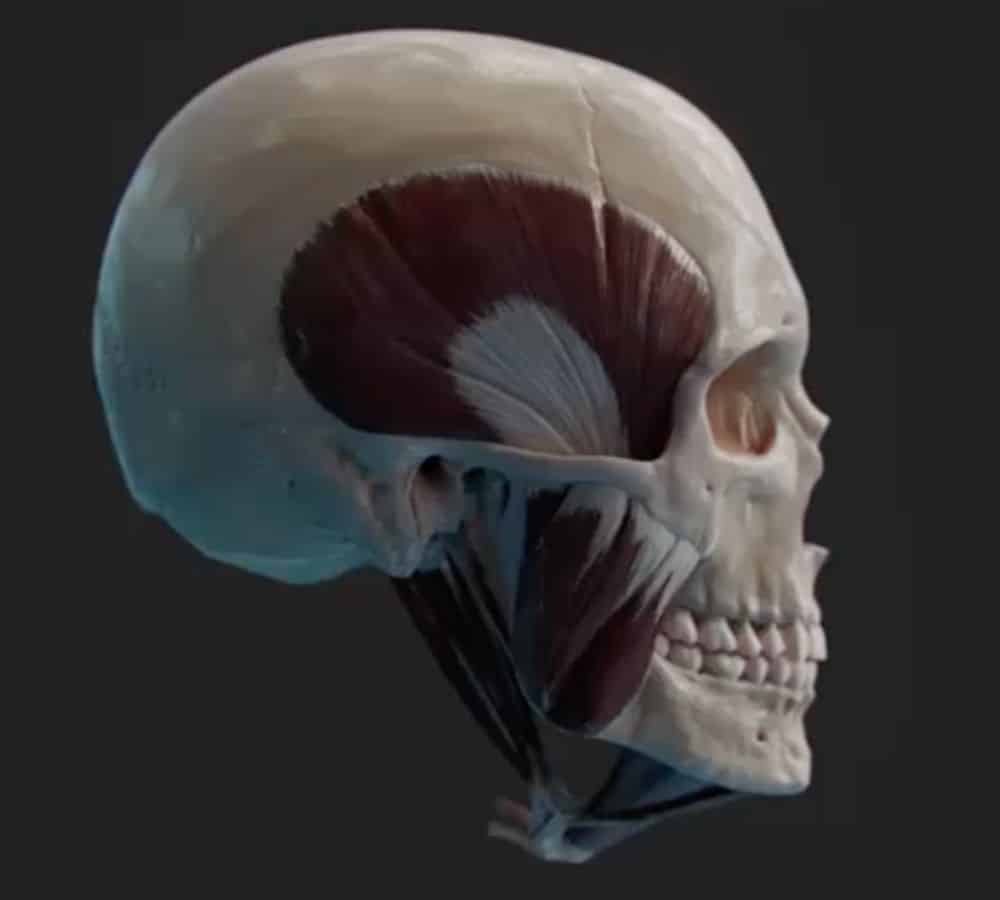
Muscle Dysfunction
Muscle dysfunction can result in TMD and is a result of clenching habits throughout the day and while asleep. Symptoms are characterised by:
- pain or muscle tenderness around the jaw muscles, which can develop into persistent pain
- headaches or migraines which can appear upon waking up and develop throughout the day
- weak jaw muscles causing you to avoid certain foods due to difficulty chewing
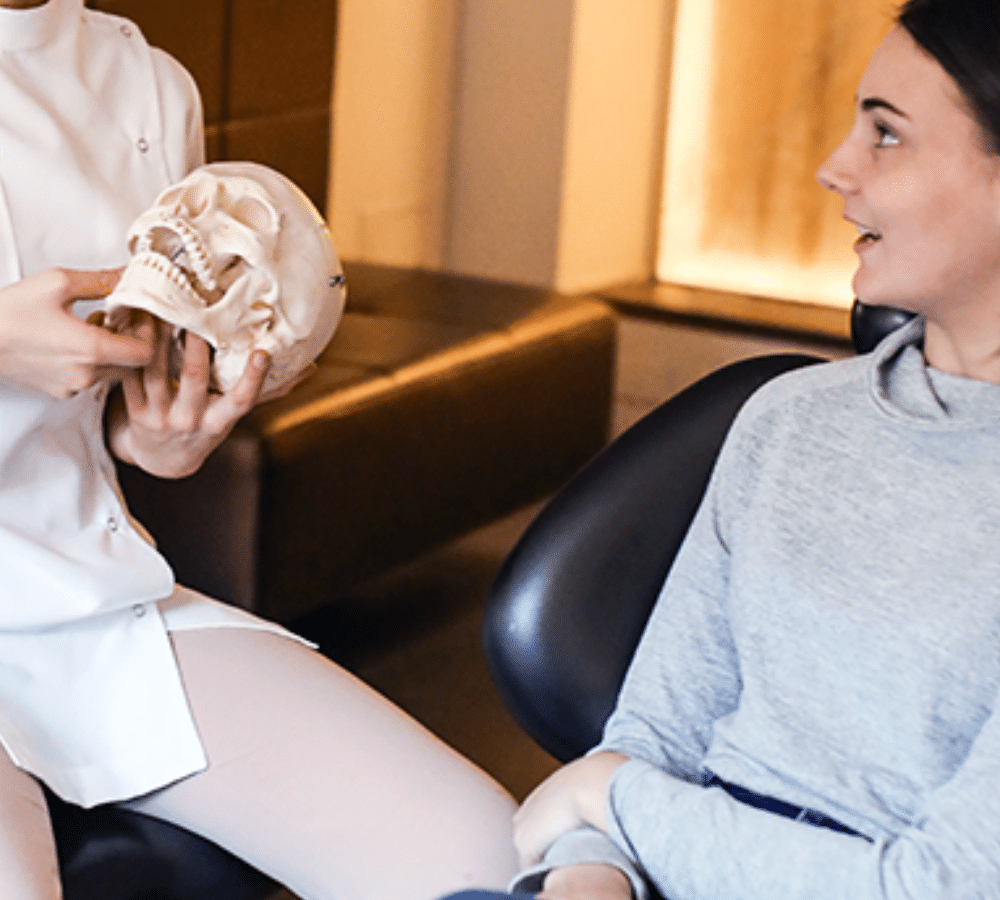
Bite/Occlusion
TMD can be caused by occlusal or bite dysfunction. This is the result of worn or fractured teeth due to misalignment, or tooth-on-tooth contact, which can be habitual, genetic or pathological. If left untreated, it can wear away the enamel which can lead to tooth sensitivity and decay.
Trauma
TMD can be caused from previous trauma of the TMJ such as motor car accidents or sports injuries.
A blow to the head can cause damage to the jaw joints along with the skull. Whiplash, or anything that impacts how you carry your head on the top of your neck, can cause jaw problems.
Our Technology
Our TMD clinic is equipped with advanced diagnostic technology that allows us to identify the precise cause of your jaw pain and develop a targeted treatment plan.
Myowise EMG & Analysis
Myowise EMG & Analysis
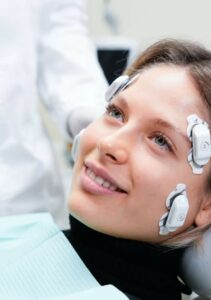
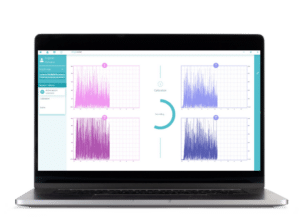
Myowise is a machine that uses electromyography to analyse the activity of the Masseter and Temporalis muscles. At Smile Solutions our clinicians use the Myowise technology for precise assessment of a patient’s muscle function, aiding in the diagnosis and treatment of various dental and jaw disorders.
Bite Force Measurement Device
Bite Force Measurement Device
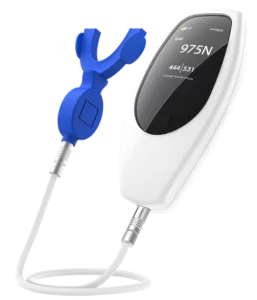
Our bite force measuring device is a cutting-edge tool used at Smile Solutions to accurately measure a patient’s bite forces. It provides real-time data on occlusal forces, helping clinicians diagnose and treatment plan for various dental conditions related to bite strength and stability.
iTero Scanners
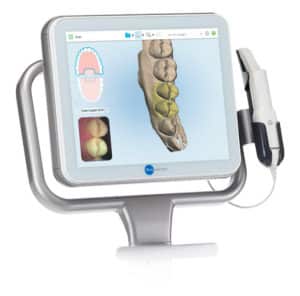
Being administered mouthfuls of impression material in the chair to produce a mould of the teeth is a thing of the past at Smile Solutions. The iTero Element Intraoral scanner is a ‘chair-side’ system for creating virtual impressions of your teeth. These are then transmitted digitally to dental labs for the manufacture of orthodontic appliances and restorations. The scanner is a valuable diagnostic and treatment tool that offers speed and reliability, and enhances accuracy of records, treatment efficiency and your overall dental experience.
Planmeca ProMax 3D Max
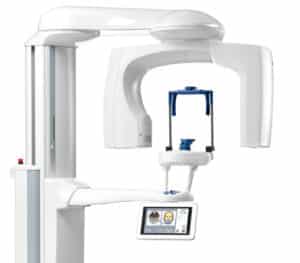
The Planmeca ProMax 3D Max generates, with limited radiation doses, the most detailed three-dimensional dental imagery available. Using the Planmeca ProMax 3D Max software, we can create an unrivalled 3D image of the highest quality, showing the smallest detail, to enable the most precise treatment planning. This innovative, versatile, safe and dynamic piece of technology is a valuable diagnostic aid for endodontics, periodontics, orthodontics, implantology, dental and maxillofacial surgery, paedodontics, and TMJ analysis.
LightWalker Fotona Laser
LightWalker Fotona Laser
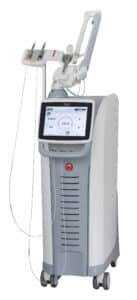
The Fotona Laser offers precise, efficient and minimally invasive treatment for various procedures including cavity treatment, cosmetic gum disease lift management procedures and teeth whitening. It provides patients with faster healing times and increased patient comfort compared to with traditional methods.
MRI
Available when required for patients with suspected joint degeneration, disc displacement, or structural abnormalities. MRI provides detailed imaging of the joint capsule, condyle, disc, surrounding muscles, cartilage, and cranial fossa with no radiation exposure
Photography Studio
Photography Studio
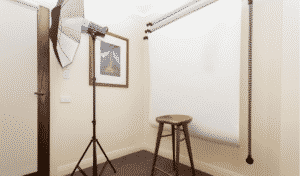
Smile Solutions has it’s own professional photography studio, which is an excellent opportunity for patients to document their smile makeover journey should they wish to do so. A set of professional photos is an excellent memento to take away once treatment is compete.
Who will treat my TMD?
At Smile Solutions, every patient benefits from the collaborative expertise of our in-house team who all work collaboratively under one roof.
Dr Kia Pajouhesh, founder and principal dentist of Smile Solutions, created the TMD and Sleep Apnoea clinic based on more than 30 years of clinical experience managing TMD patients. His approach combines splint therapy with craniosacral therapy alongside physiotherapists and osteopaths, and he personally oversees the diagnosis and treatment planning for complex TMD cases.
Frequently Asked Questions
What causes TMD?
TMD can be caused by problems with the temporomandibular joint itself (the disc, capsule, or condyle),dysfunction in the muscles of mastication, bite or occlusal imbalance, or trauma such as a motor vehicle accident or sports injury. Stress, anxiety, sleep disorders, and habits such as teeth grinding or clenching are also common contributing factors. In many cases, multiple factors are involved.
What does the osteopath do for TMD?
Our osteopaths take a whole-body approach to managing temporomandibular disorders (TMD), because jaw pain is rarely an isolated problem. The jaw is connected to the rest of the body through the musculoskeletal system and fascial networks, meaning problems elsewhere can contribute to TMD symptoms.
Your assessment may include an evaluation of:
- Jaw movement and function.
- Posture and spinal alignment.
- Neck and shoulder tension and strength.
- Hip alignment and lower body mechanics.
- The entire musculoskeletal chain from the jaw to the hips.
Treatment is tailored to your individual needs and may include gentle jaw mobilisation, soft tissue therapy, therapeutic exercises, postural correction, spinal mobilisation, and personalised strengthening programs. Our on-site Pilates reformer is also used where appropriate to improve posture, stability and movement patterns that may be contributing to jaw dysfunction.
Because TMD is influenced by more than just muscles and joints, our osteopaths also consider other contributing factors, including nervous system function, stress and anxiety, and overall health. Where appropriate, we may recommend collaborative care with your GP or other allied health professionals to ensure you receive comprehensive, holistic treatment.
By looking beyond the jaw, we aim to address the underlying factors contributing to your symptoms—not just provide temporary relief.
What types of TMD splints are available?
At Smile Solutions, we offer a comprehensive range of custom-fabricated splints designed to support patients with temporomandibular disorders (TMD), jaw clenching and teeth grinding. Each splint is individually made in our in-house dental laboratory by our senior dental technician, Ms Natalie Bilos, allowing for excellent quality control and efficient turnaround times.
The most appropriate splint for you will depend on your diagnosis, symptoms, jaw function and treatment goals. Options may include:
- Centric relation (CR) splints – designed to position the jaw in its most stable joint position.
- Flat plane splints – provide a smooth, even biting surface to help reduce excessive grinding forces.
- Protrusive splints – gently position the lower jaw forward and may be used as part of sleep apnoea management.
- Lateral and anterior guide plate splints – guide jaw movement along specific pathways to help reduce harmful forces on the teeth and jaw joints.
- Nylon splints – a thin, streamlined and highly durable option for patients who frequently wear through or fracture traditional acrylic splints.
- Soft splints – suitable for some patients with teeth grinding (bruxism) who need tooth protection but do not have associated TMD.
Your treating dentist will assess your individual needs and recommend the splint design most appropriate for your condition and long-term oral health.
Can children develop TMJ disorders?
Yes. Although TMD is often associated with adults, it can also affect children and adolescents. Signs may include jaw clicking or pain, headaches, teeth grinding (bruxism), mouth breathing, or difficulty chewing.
At Smile Solutions, early assessment is a key part of preventing more significant jaw problems later in life. Our board-registered specialist paediatric dentist works closely with our board-registered specialist orthodontists to identify developing jaw, bite and airway issues during childhood and adolescence.
Where appropriate, our orofacial myologist can also provide myofunctional therapy to help address tongue thrust, mouth breathing and swallowing patterns that may contribute to jaw dysfunction.
Early diagnosis and treatment can help support healthy jaw development, reduce the severity of TMD symptoms, and may minimise the need for more complex treatment in the future.
How long does TMD treatment take?
Treatment duration varies depending on the cause and severity. Some patients experience significant improvement within weeks of beginning splint therapy and osteopathic care. Others with more complex conditions may require ongoing management over several months. Your treating dentist will discuss expected timeframes during your initial consultation.
Does every TMD patient need muscle relaxants?
No. While muscle relaxant injections (commonly known as Botox) have gained popularity as a treatment for TMD, they are not appropriate for every patient. At Smile Solutions, we take a diagnostic-first approach using bite force analysis and electromyography before considering any muscle relaxant treatment.
TMD patients generally fall into three categories:
Joint-related TMD: Some patients experience symptoms because of issues with the temporomandibular joint itself – the joint capsule, the disc within the joint, or the condyle. For these patients, muscle relaxant injections provide limited benefit because the problem is structural rather than muscular. Treatment may include splint therapy, osteopathic care, and in severe cases, referral to our oral and maxillofacial surgeon.
Muscular atrophy (more common than many realise): A significant number of TMD patients actually have weak, underperforming jaw muscles. For these patients, muscle relaxant injections can be counterintuitive – they further reduce bite strength in muscles that are already struggling. Our Innobyte bite force analysis identifies these patients by measuring the Newton power through each musclegroup. Treatment focuses on strengthening exercises through our osteopathic and myofunctional therapy programs.
Muscular hypertrophy: For patients with overactive, over-functioning jaw muscles causing inflammation and pain, muscle relaxant injections can be effective – but at Smile Solutions, we use themas a circuit breaker rather than an ongoing treatment. Injections are typically administered once, occasionally twice over several months, while other treatments (osteopathy, splint therapy, lifestyle modifications) work to address the underlying cause. Our EMG analysis determines exactly which muscles need treatment – temporalis versus masseter, left versus right – so dosing is precisely targeted rather than evenly distributed across all muscles. In certain cases, ultrasound-guided injection may be recommended for greater precision.
The goal is always to transition to long-term conservative management rather than indefinite injections.
Do I need an MRI for TMD?
Not everyone with TMD needs an MRI. However, if you’re experiencing significant joint symptoms, your clinician may recommend an MRI of your temporomandibular joint (TMJ) to better understand the cause of your symptoms and help guide treatment.
Unlike X-rays or CT scans, MRI uses no radiation and provides detailed images of the soft tissues within the joint. This allows our clinicians to assess:
- The position and condition of the articular disc.
- The joint capsule for signs of inflammation or structural damage.
- The head of the condyle for developmental or degenerative changes.
- The muscles and other soft tissues surrounding the joint.
- The cartilage and other internal joint structures.
An MRI may be recommended if you have symptoms such as persistent or prominent jaw clicking, crepitus (a grinding or crackling sensation), trismus (restricted jaw opening), jaw locking or dislocation, or suspected arthritis or degenerative joint disease.
Your clinician will determine whether an MRI is appropriate based on your symptoms and clinical examination.
Is TMD related to posture?
Yes, there is a strong connection. Poor posture, particularly during prolonged computer or mobile phone use, can contribute to neck, shoulder, and jaw tension. Our osteopaths assess your posture as part of the TMD evaluation and provide strategies to address postural contributing factors.
Is TMD related to sleep apnoea?
Yes, there is a recognised connection between TMD and sleep-disordered breathing. Many patients with TMD also experience sleep apnoea, snoring, or disrupted sleep. At Smile Solutions, our TMD and sleep apnoea clinics work closely together, and your assessment may include screening for both conditions.
For Medical Practitioners and Allied Health Professionals
If you are a GP, physiotherapist, osteopath, naturopath, ENT specialist, or other allied health practitioner and would like to refer a patient to our TMD clinic, we welcome your referral.
Our team will work collaboratively with you to ensure coordinated care. No formal referral letter is required, although referral letters are welcomed and help us understand your patient’s history.
To make a referral, please call 13 13 96 or email theteam@smilesolutions.com.au.
A video overview of our TMD referral pathway for medical practitioners is available here.

Contact Us
Contact Us
"*" indicates required fields
