

Bone grafting, sinus lifts and zygomatic implants can be considered when the jawbone structure is not sufficient to fit dental implants.
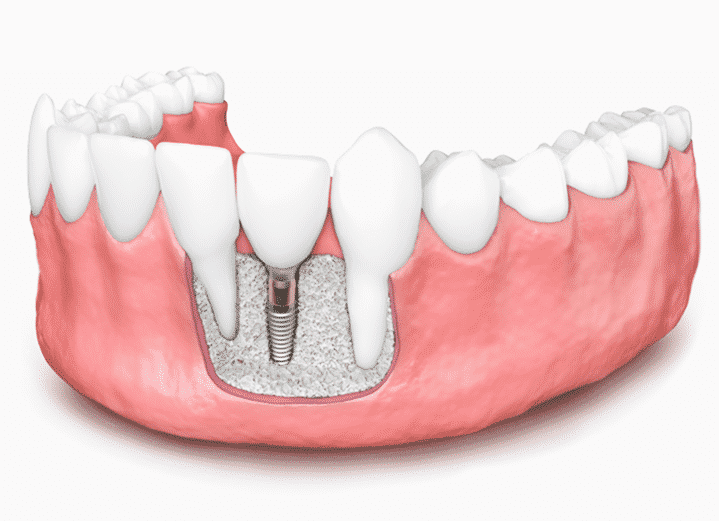
What is bone grafting?
When a tooth is removed, the jawbone in that area begins to recede. Over time, this bone loss can lead to facial changes, such as sunken lips or cheeks. In the past, it was thought that dental implants could not be placed in patients with insufficient jawbone. Thanks to advances in medical technology, however, bone can now be rebuilt.
The procedure involves adding bone or bone-like materials to the jaw. After grafting, several months are needed for the grafted material to fuse with the existing bone before dental implants can be placed.
Bone grafting (also known as bone augmentation) is a highly specialised field requiring advanced training and clinical experience. At Melbourne’s Smile Solutions your bone grafting procedure will be performed either by one of our registered oral & maxillofacial surgeons or by a specialist periodontist.
What to expect during bone grafting treatment
Assessment & Preparation
Healing Phase
Implant Placement
Final Teeth Fitted
The procedure is performed under local or general anaesthetic, depending on complexity. Some post-treatment discomfort is normal and can usually be managed with pain relief.
What is a sinus lift?
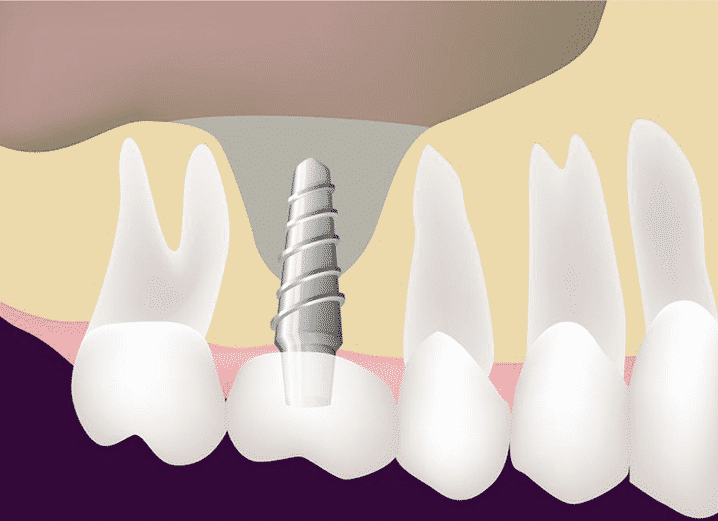
A sinus lift (also known as sinus augmentation) is performed as part of a procedure to add bone to the upper jaw near the molars and premolars. Bone is added between the jaw and the maxillary sinuses on either side of the nose. To make room, the sinus membrane is moved upward, or “lifted”. In the past eight to 10 years, this has become a routine procedure for patients with multiple long-term missing molar teeth in the upper arch.
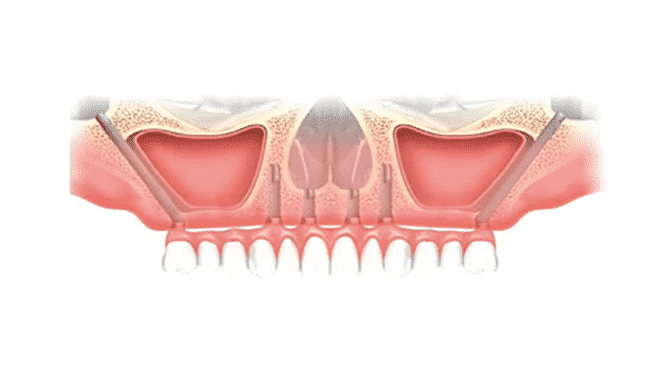
What are zygomatic implants?
In some cases where bone grafting is not viable or suitable, such as patients with a severely deficient upper jawbone, particularly in full upper arch rehabilitation, zygomatic implants can be used.
Zygomatic implants are longer than standard implants and are surgically inserted into the underside of the cheekbones. They allow for the attachment of an implant-retained fixed bridge, providing an effective alternative to bone grafting.
Frequently Asked Questions
How do I know if I need bone grafting or a sinus lift?
Patients with insufficient bone volume or quality may need a bone graft and/or sinus lift before dental implants can be placed. The sooner an implant is placed after a tooth is removed, the less likely bone augmentation will be required. A 3D scan is often taken to assess the volume and quality of the jawbone and determine whether grafting is necessary. At Smile Solutions, we use advanced 3D imaging technology to plan precise implant placement.
What should I expect after bone grafting?
After the jawbone has healed, dental implants will be placed to eventually hold your new teeth. Temporary dentures may be worn while your permanent teeth are custom-made to ensure they look natural in colour, shape, and size. Once the bone and surrounding tissue have fully developed around the implants, your permanent teeth will be placed.
Is the procedure painful?
Bone grafting and implant procedures are performed under local anaesthetic in the dental chair or under general anaesthetic in a hospital, depending on the complexity of your case. Some discomfort is normal during healing, but it can be managed effectively with pain medication.
What is the cost of bone grafting?
Once it has been determined that bone grafting is necessary for your dental implants, your specialist will include the cost of this procedure in your individual treatment plan.
The cost of a bone graft depends on a number of factors, ranging from the size and shape of the area being worked on to the source material used and where the bone is harvested.
How effective is bone grafting?
The success rate for bone grafting is very high and the grafting process increases the chances of a dental implant being successful. However, there is always a chance that a bone graft will fail, though this is more likely in patients who smoke or have certain medical conditions.
As with any medical procedure, there are some risks involved with the bone grafting procedure – such as the gums in the bone graft area receding over time; the treated teeth becoming sensitive to cold or heat and being more susceptible to cavities (especially in the root); and post-surgery bleeding and swelling, which can increase the risk of infection.
Who will perform my bone grafting, sinus lift, or zygomatic implant procedure?
Bone grafting, sinus lifts, and zygomatic implants are highly specialised procedures that require advanced training and clinical experience. At Smile Solutions, your procedure will be performed by one of our board-registered specialist oral & maxillofacial surgeons or a specialist periodontist, ensuring you are in the safest and most experienced hands.

Contact Us
Contact Us
"*" indicates required fields
