




Dental implants is the process of replacing missing teeth (or a single tooth) that cannot be saved by conventional means and needs to be removed.
About dental implants
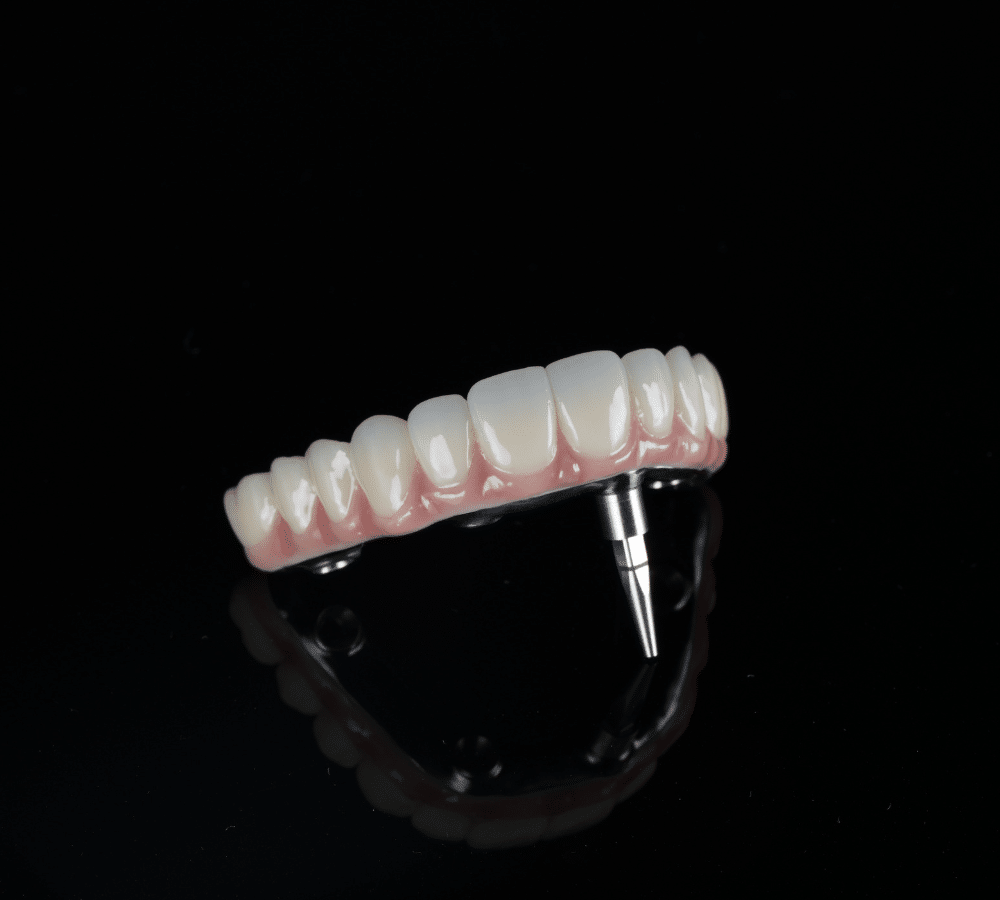
Dental implants can replace a single missing tooth or a full upper and lower arch. They have been used since the 1960s to provide a permanent, natural-looking solution that is often indistinguishable from your own teeth. If jawbone volume is insufficient, procedures such as bone grafting or a sinus lift may be performed to create a strong foundation.
The procedure can be done in the dental chair under local anaesthetic or in hospital under general anaesthetic. Your dentist will discuss your suitability, treatment options, timeline, and costs before referring you to a prosthodontist or oral and maxillofacial surgeon for any surgical components.
Types of dental implants
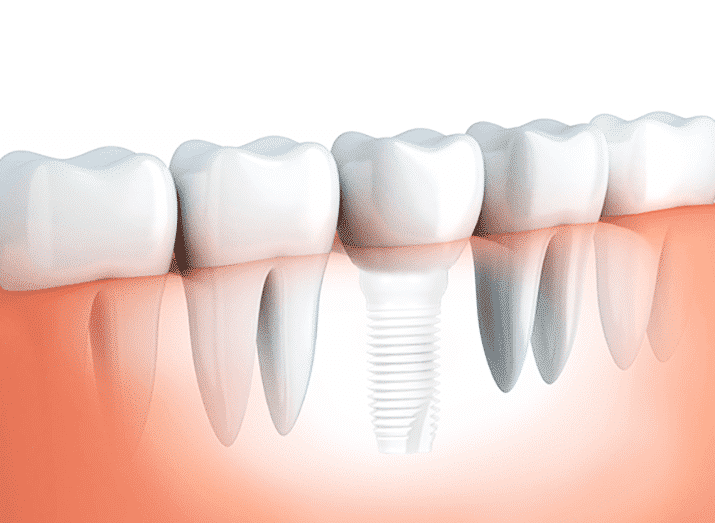
There are different types of dental implants, which during consultation, you and your clinician can discuss which will be best for you.
Conventional Dental Implants

Immediate Dental Implants

All-On-4® Dental Implants
Bone Grafting For Dental Implants
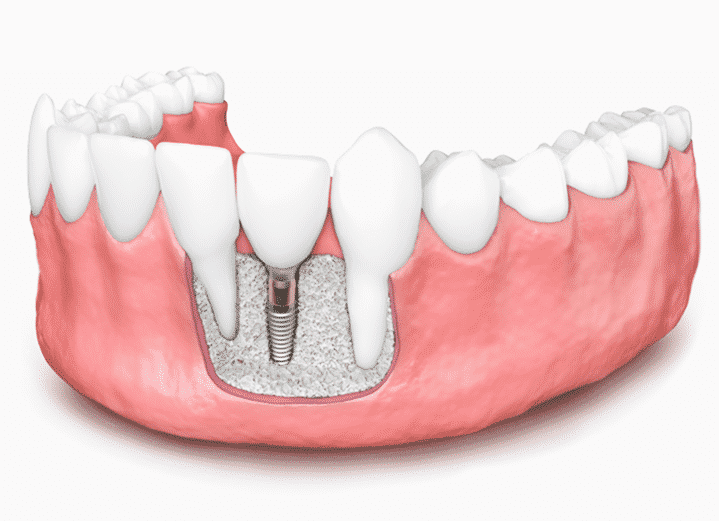
When a tooth is removed, the area of jawbone directly beneath it begins to recede. This loss of bone can continue over time, often resulting in changes to the face such as sunken lips or cheeks. If a patient is found to have insufficient jawbone it previously meant that dental implants could not be fitted, but because of advances in medical technology, bone can now be rebuilt with a bone graft.
Frequently Asked Questions
How long do implants last?
With proper home care and regular professional dental cleanings, both conventional and immediate implants can last 10 to 15 years. Like crowns, bridges, or fillings, they may eventually need to be replaced.
What are mini dental implants?
Mini implants are an alternative approach that allows the placement of very small screws in areas where other implantable devices cannot be placed. These screws do not require functional attachment of the implant to the surrounding bone; they rely on mechanical retention, which makes their removal relatively simple and non-invasive. Another advantage of mini implants is that they can be loaded immediately.
What are dental bridges?
Dental bridges literally “bridge” the gap created by missing teeth. They are made up of one or more crowns for the teeth adjacent to the gap, along with a false tooth or teeth attached. These anchoring teeth are called abutment teeth and the false teeth are called pontics. The latter can be made from gold, alloys, porcelain, zirconia or a combination of these materials. The result is a dentition that is fully restored in terms of function and appearance.
There are four main types of dental bridges available as a means of tooth replacement.
Conventional bridges are used when there are natural teeth present on both sides of a gap created by the missing tooth. They involve reshaping the teeth on either side of the gap to make room for cementing crowns on them, with a pontic (false tooth) in between to replace the missing tooth.
Cantilever bridgesare used when there is an adjacent tooth on only one side of the missing tooth or teeth. The pontic is supported on only one side, rather than on both sides, by one or two crowned abutments, depending on how much support is required or the length of the bridge.
Maryland bridges(resin-bonded bridges) are considered a conservative alternative to traditional bridges. These bridges consist of a single pontic that is held in place by a metal or porcelain framework (wing). This framework is bonded onto the back of the tooth adjacent to the missing tooth with composite resin cement. Your specialist will need to remove only a very small amount of tooth from the back surfaces of these teeth to make room for the wing, with minimal alteration of the adjacent tooth required.
Implant-supported bridgesare the most stable means of tooth replacement. The specialist surgically embeds tiny biocompatible implants made of titanium in a patient’s jawbone, and these secure the entire restoration. For every missing tooth one dental implant is placed. An alternative is a pontic suspended between two implant-supported crowns. Though this procedure can be more expensive, invasive and time consuming than the other treatment options, the outcome of this treatment option can last a lifetime, making it worth the investment.
What are dental implants made of?
Dental implants are made of titanium, as it is a biocompatible material, which is accepted by the body. It serves as a strong foundation for replacement teeth, with a high success rate and long lifespan.
Zirconia provides an alternative to titanium implants. A type of dental ceramic they have not been around for as long as titanium implants, but so far have proven to be quite durable.
The crowns attached to the implants are usually made of all ceramic or high-grade porcelain fused to precious metals such as gold.
Who is suitable for dental implants?
When it comes to dental implants your specialist will discuss with you if it is the best option, usually they will try to save the tooth first but in cases where this is not possible they might recommend extraction and an implant.
Some of the main factors in determining whether you are a suitable candidate for dental implants include, having adequate bone, in terms of both quality and volume, which is assessed during an examination (though this can be solved with a bone graft), good oral hygiene and you meet the general medical requirements.
What are the benefits of dental implants?
Dental implants can provide you with a functional and aesthetically pleasing alternative to missing or severely damaged teeth. Losing a tooth can have a detrimental impact on your remaining teeth, often resulting in the remaining teeth shifting to fill in the space left behind. A missing tooth can lead to speech problems, difficulty chewing or even discomfort; all of these can be resolved with the placement of an implant.
An implant is fixed directly into the body and as such is independent of the rest of the teeth, which means that if something goes wrong only the implant itself will be affected, in which case your practitioner will assess the area and attempt to resolve the issue, without any of your other teeth being affected.
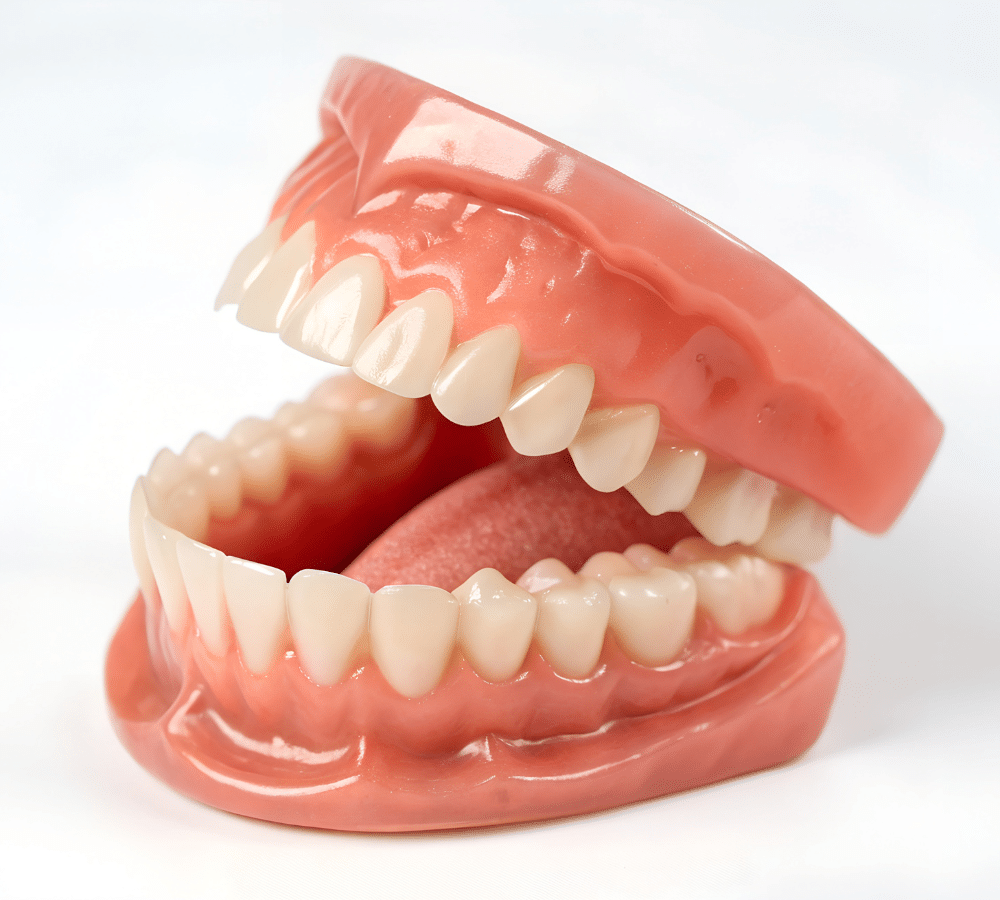
Patients with many missing teeth used to have no choice other than dentures, but with the technological advancements over the years –higher quality dental tools and materials, now patients have more options when it comes to replacing teeth, and dental implants offer a long lasting solution.
What should I expect during and after an implant procedure?
After your implant procedure, some soreness and swelling for a few days is normal, and pain can be managed with medication if needed.
For conventional implants, the implant is placed and left to integrate with the bone over three to six months before the crown is attached.
For immediate implants, the implant and replacement tooth are placed on the same day following extraction of a damaged tooth or teeth.
Your clinician will provide full care instructions and discuss whether your procedure will take place in the dental chair or hospital, and it’s important to maintain regular dental check-ups every six months to safeguard the health of your teeth and gums.
What is the cost of dental implants?
While we’d love to provide an exact figure, several factors affect the overall treatment cost. The costs associated with dental implants include extraction, a replacement denture or bridge while the implant is being prepared, and the cost of the implant itself. The total cost can vary depending on the type of implant chosen, as well as the clinician performing the procedure – whether a general dentist, board-registered specialist or oral & maxillofacial surgeon.
We offer complimentary implant consultations with an experienced dentist to give you a more accurate estimate.
Smile Solutions offers interest free dental payment plans to patients for all general, cosmetic and specialist treatment, so you can have the dental treatment you need now and pay it back over time.
Who will perform my dental implant procedure?
At Smile Solutions your dental implant treatment will be performed by one of our team of board-registered specialist prosthodontists, periodontists, oral & maxillofacial surgeons, and dual medical qualified dental surgeons – not a general dentist providing care across multiple fields or specialists. Therefore you can rest assured you’re in the safest hands.
To qualify as a registered specialist in Australia, practitioners must first have the same degree as a general dentist. They then study for a further Masters degree or equivalent, or a PhD in a particular field, making them eligible to apply for registration with the Dental Board of Australia as a specialist.

Book a complimentary consultation
Your initial complimentary appointment will be with an experienced registered dentist, not a sales person without any formal qualification in dentistry.
Please note this appointment is a discussion only and does not include a check-up, x-rays, scans or any other clinical treatment. A $50 refundable deposit is required to secure the appointment.

Contact Us
Contact Us
"*" indicates required fields