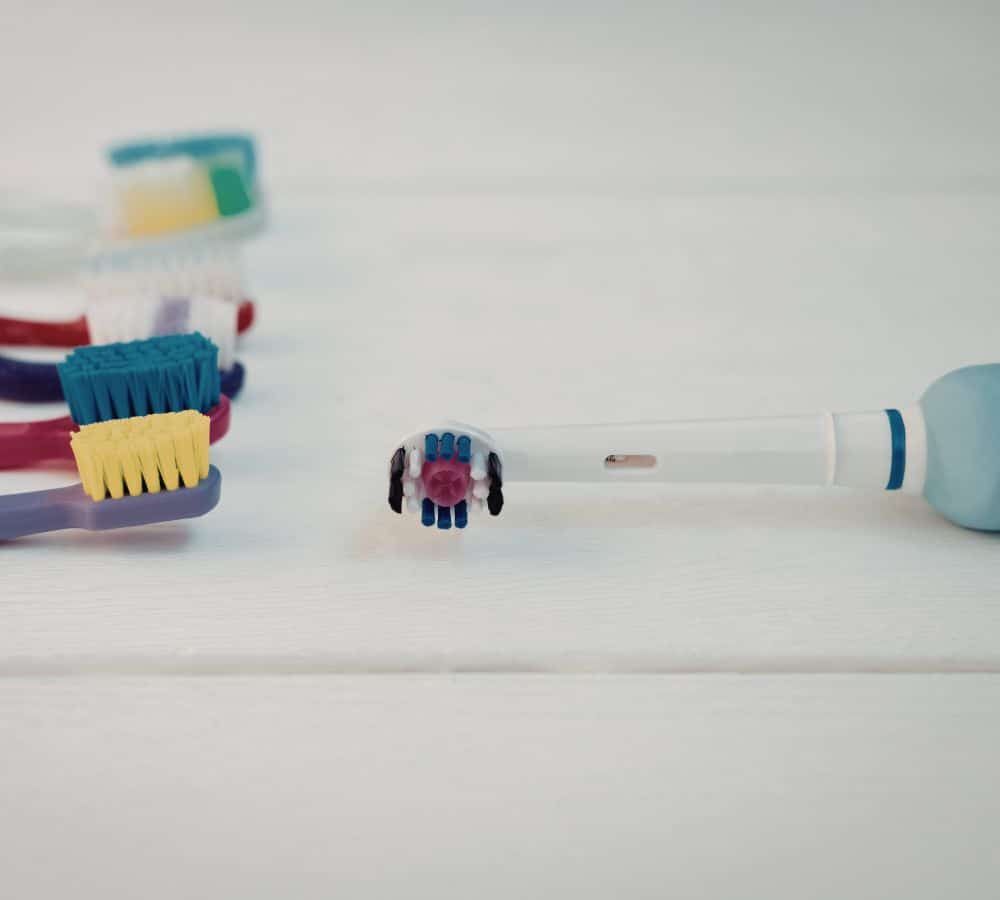
The range of options available to shoppers these days can make it difficult to know if you’re making the right choice with your purchase – toothbrushes included.
So what are the main features of today’s toothbrush, and which one will be best for your (or your child’s) oral hygiene?
There are four main aspects to consider.
1. Size
It is very important that any brush you use on your teeth can be easily manoeuvred to clean all dental surfaces, right to the back corners of the mouth. A brush with a small head achieves this goal. However, keep in mind that if it is a manual toothbrush, this could mean it takes a long time to clean the whole mouth. One option is to use a medium-sized brush for most teeth and keep a small (children’s) brush to clean difficult spots like wisdom teeth.
2. Bristles
There are three bristle choices on offer: soft, medium and hard. In the past, all bristles were hard and people tended to scrub their teeth clean. We now know that this can erode the tooth structure and even traumatize the gums, possibly causing recession. That’s why dentists now recommend against hard bristles and it is preferable to choose a soft-bristle brush, especially if you’re heavy-handed.
3. Tongue Brush
It is recognised that clean debris from your tongue is important for optimal oral hygiene. Often, the soft or medium bristles of your toothbrush will be adequate. But if you notice a thick film building on your tongue, look out for choices that include a special tongue brush, usually on the back of the head.
4. Indicator
With regular use, your toothbrush should last three months or so. Some kinds have a dyed later in the bristles, which helps to remind you when it’s time for a new one. If you choose to buy a brand that doesn’t have this feature, consider renewing your toothbrush when the seasons change.