A clear breakdown of every sedation option available in Melbourne, what each costs, when each is appropriate, and how to choose the right one for your situation.
Dental anxiety is real, it’s common, and it shouldn’t be something you feel embarrassed about. Studies suggest that between 15 and 20 per cent of Australians experience significant dental anxiety, and for some, the fear is severe enough to avoid the dentist entirely – sometimes for years or even decades.
Sleep dentistry, more accurately called sedation dentistry, exists to solve this problem. It allows anxious patients to receive the dental treatment they need in comfort, without the distress that would otherwise make the experience unbearable. But when you’re already anxious about the dentist, adding the uncertainty of sedation costs on top of treatment costs can feel overwhelming.
At Smile Solutions, we offer the full spectrum of sedation options – from mild relaxation through to complete unconsciousness under general anaesthesia. We’re one of relatively few dental practices in Melbourne that can offer every level of sedation under one roof, which means we can match the sedation to your specific needs rather than offering a one-size-fits-all approach. Here’s what sleep dentistry cost in Melbourne actually looks like in 2026.
Sleep Dentistry Options and Costs
Happy Gas (Nitrous Oxide Sedation)
What it does: A mixture of nitrous oxide and oxygen breathed through a small nose piece produces a feeling of relaxation and euphoria. You remain fully conscious, can respond to instructions, and recover within minutes of the gas being turned off.
Best for: Mild anxiety, patients who want to take the edge off, children, short procedures.
Recovery: Immediate. You can drive yourself home.
Oral Sedation (Tablet-Based)
What it does: Sedative medication (typically a benzodiazepine) taken as a tablet 30 to 60 minutes before your appointment. Produces moderate relaxation and drowsiness. You may not remember much of the procedure.
Best for: Moderate anxiety, patients who want significant relaxation without IV sedation, procedures of 1 to 2 hours.
Recovery: Several hours. You cannot drive and will need someone to take you home. You should rest for the remainder of the day.
IV Sedation (Twilight Sedation)
Additional cost: $500 to $1,500 per session
What it does: Sedative medication administered directly into a vein, producing deep relaxation. You drift in and out of a light sleep-like state. Most patients remember little or nothing of the procedure. The level of sedation can be precisely adjusted throughout the treatment.
Best for: Significant dental anxiety, longer or more complex procedures, patients who want to be deeply sedated but not fully unconscious, multiple treatments in one session.
Recovery: 2 to 4 hours of supervised recovery, then rest at home for the remainder of the day. You cannot drive for 24 hours. You will need someone to accompany you.
General Anaesthesia (Full Unconsciousness)
What it does: You are completely unconscious, maintained by a specialist anaesthetist. This is the same type of anaesthesia used for hospital surgery.
Best for: Extreme dental phobia, very complex or lengthy procedures, patients who cannot tolerate treatment under any form of conscious sedation, patients with certain medical conditions or special needs.
Recovery: Several hours of supervised recovery. You will need a responsible adult to take you home and stay with you. Rest for 24 to 48 hours is typical.
Note: General anaesthesia may be administered in a hospital or accredited day surgery facility, which adds facility fees, or in certain dental practices with appropriate accreditation and equipment.
Why the Wide Price Range for IV Sedation and General Anaesthesia?
1. Duration of the Procedure
Sedation is typically charged based on the time the anaesthetist or sedationist is with you. A 45-minute procedure under IV sedation costs less than a 3-hour full mouth rehabilitation. Most IV sedation sessions range from 1 to 3 hours.
2. The Anaesthetist or Sedationist
IV sedation and general anaesthesia are administered by qualified medical professionals – either a specialist anaesthetist (a medical doctor with additional years of anaesthesia training) or a dentist with sedation qualifications. Specialist anaesthetists typically charge more but provide the highest level of sedation expertise and monitoring.
3. Facility Fees
General anaesthesia in a hospital or day surgery centre attracts facility fees that include the operating theatre, nursing staff, monitoring equipment, and recovery room. These fees typically range from $500 to $2,000 depending on the duration and the facility.
4. Monitoring and Equipment
During IV sedation and general anaesthesia, continuous monitoring of heart rate, blood pressure, oxygen saturation, and other vital signs is essential. The cost of this monitoring equipment and the trained staff operating it is reflected in the sedation fee.
5. Pre-Operative Assessment
For general anaesthesia, a pre-operative medical assessment is usually required. This may involve blood tests, an ECG, and a consultation with the anaesthetist. These assessments are typically included in the overall anaesthesia fee.
Health Fund Coverage for Sedation
Happy Gas
- Sometimes partially covered under general dental as an “anaesthetic” item.
- Typical fund contribution: $20 to $80.
Oral Sedation
- Rarely covered specifically, though the dental treatment performed under sedation is covered as normal.
- The medication itself may be covered under your pharmaceutical benefits.
IV Sedation
- Some extras policies cover conscious sedation as a dental item.
- Typical fund contribution: $100 to $400.
- Check your policy for specific sedation item numbers (item 942 for IV sedation).
General Anaesthesia
- The anaesthetist fee and hospital facility fee are typically claimed under your hospital cover, not your extras.
- You need hospital cover that includes “dental surgery” or “oral surgery” as a covered procedure.
- The dental treatment itself is claimed under your extras cover as usual.
- If you have appropriate hospital cover, your out-of-pocket for the anaesthesia and facility may be modest.
Important: Always check your specific policy before proceeding. The difference between having and not having appropriate cover for general anaesthesia can be several thousand dollars.
Who Benefits Most from Sleep Dentistry?
Sedation dentistry isn’t just for anxious patients. It’s genuinely useful for:
- Dental phobia: Patients whose fear prevents them from seeking treatment they know they need.
- Strong gag reflex: Some patients find dental work triggers their gag reflex severely, making treatment difficult without sedation.
- Complex or lengthy procedures: Remaining still and comfortable for 2 to 3 hours is challenging. Sedation makes this manageable.
- Multiple treatments in one session: Catching up on years of deferred treatment in one sedated session rather than many stressful appointments.
- Patients with special needs: Physical or cognitive conditions that make conventional dental treatment difficult.
- Children: Paediatric sedation allows necessary dental treatment for children who cannot cooperate with conventional techniques.
- Traumatic dental history: Past negative experiences can make even routine dental visits extremely stressful.
Choosing the Right Level of Sedation
Happy Gas (Nitrous Oxide Sedation)
- Anxiety level: Mild
- Procedure length: Short (under 1 hour)
- Memory of procedure: Yes
- Recovery time: Minutes
- Can drive after: Yes
- Adjustable during treatment: Yes
- Requires escort home: No
Oral Sedation
- Anxiety level: Moderate
- Procedure length: Medium (1–2 hours)
- Memory of procedure: Partial
- Recovery time: Several hours
- Can drive after: No
- Adjustable during treatment: No
- Requires escort home: Yes
IV Sedation (Twilight Sedation)
- Anxiety level: Significant
- Procedure length: Medium to long (1–3 hours)
- Memory of procedure: Little to none
- Recovery time: 2–4 hours
- Can drive after: No
- Adjustable during treatment: Yes
- Requires escort home: Yes
General Anaesthesia
- Anxiety level: Severe
- Procedure length: Long or complex
- Memory of procedure: None
- Recovery time: 24–48 hours
- Can drive after: No
- Adjustable during treatment: Yes
- Requires escort home: Yes
The right sedation option depends on your level of anxiety, the procedure being performed, your medical history, and your personal preferences. At Smile Solutions, we discuss sedation options at your initial consultation and recommend the most appropriate level for your situation. Our team of over 80 clinicians includes practitioners qualified in all levels of sedation, and we work with experienced anaesthetists for IV sedation and general anaesthesia cases.
The Cost of Not Getting Treatment
For patients avoiding the dentist due to anxiety, the financial cost of avoidance often exceeds the cost of sedation. A cavity that could have been filled for $250 becomes a root canal costing $1,500 to $2,500. A tooth that could have been saved with a crown becomes an extraction and implant at $5,000 to $7,000.
Sedation dentistry is an investment in getting treatment done when it’s simpler, less invasive, and less expensive. The $500 to $1,500 cost of IV sedation is modest compared to the thousands of dollars in additional treatment that delayed care often requires.
Payment Options for Sleep Dentistry
We understand that adding sedation costs to treatment costs can feel daunting. Our payment options include:
- Health fund claims processed on the spot for both sedation and treatment components.
- Interest-free payment plans covering the combined treatment and sedation cost.
- Hospital cover utilisation for general anaesthesia cases, minimising out-of-pocket expenses.
- Treatment consolidation – combining multiple procedures into fewer sedated sessions to reduce overall sedation costs.
Book Your Sleep Dentistry Consultation
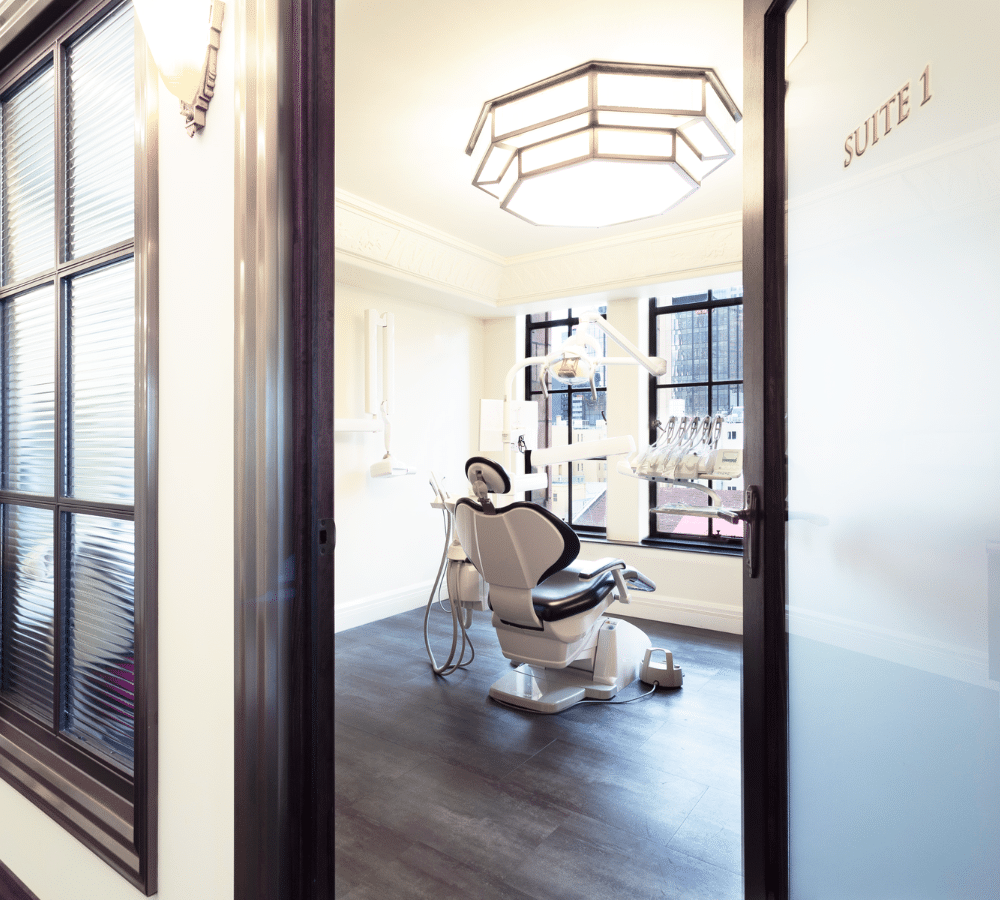
If anxiety has been keeping you from the dentist, or if you have upcoming treatment and want to explore sedation options, our team at Smile Solutions is here to help. We offer every level of sedation under one roof in the Manchester Unity Building, with 44 dental chairs, a dedicated team, and an environment designed to put anxious patients at ease.
Let us help you get the treatment you need in comfort.