



Braces are an orthodontic treatment used to correct the position of teeth and improve the patient’s occlusion (bite).
What are braces?
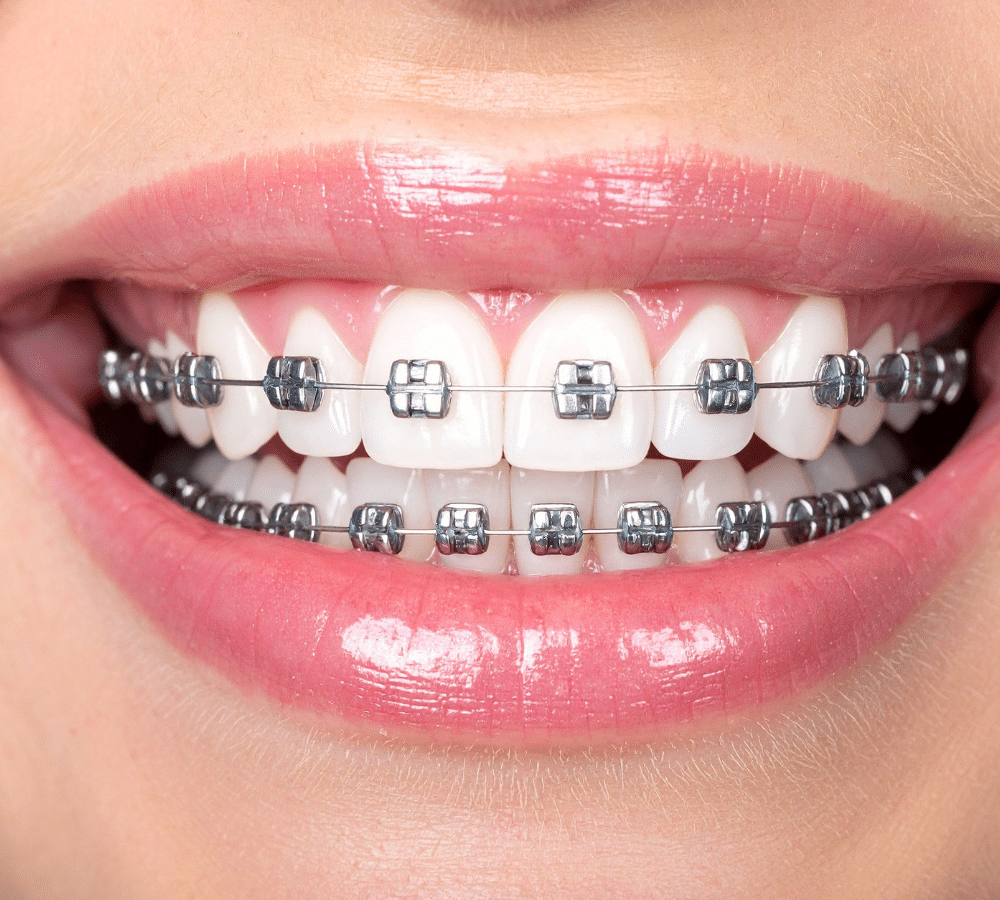
Braces use brackets that are fixed to the teeth and apply gentle, continuous pressure to gradually move teeth into their ideal positions. They are suitable for patients of all ages and can correct a range of dental issues, including crooked teeth, crowding, spacing, and bite problems. Braces can be made from different materials and placed in various ways, depending on your needs and preferences.
What are the different types of orthodontic braces?
Braces come in a variety of options designed to suit different treatment needs and personal preferences.
Traditional Braces
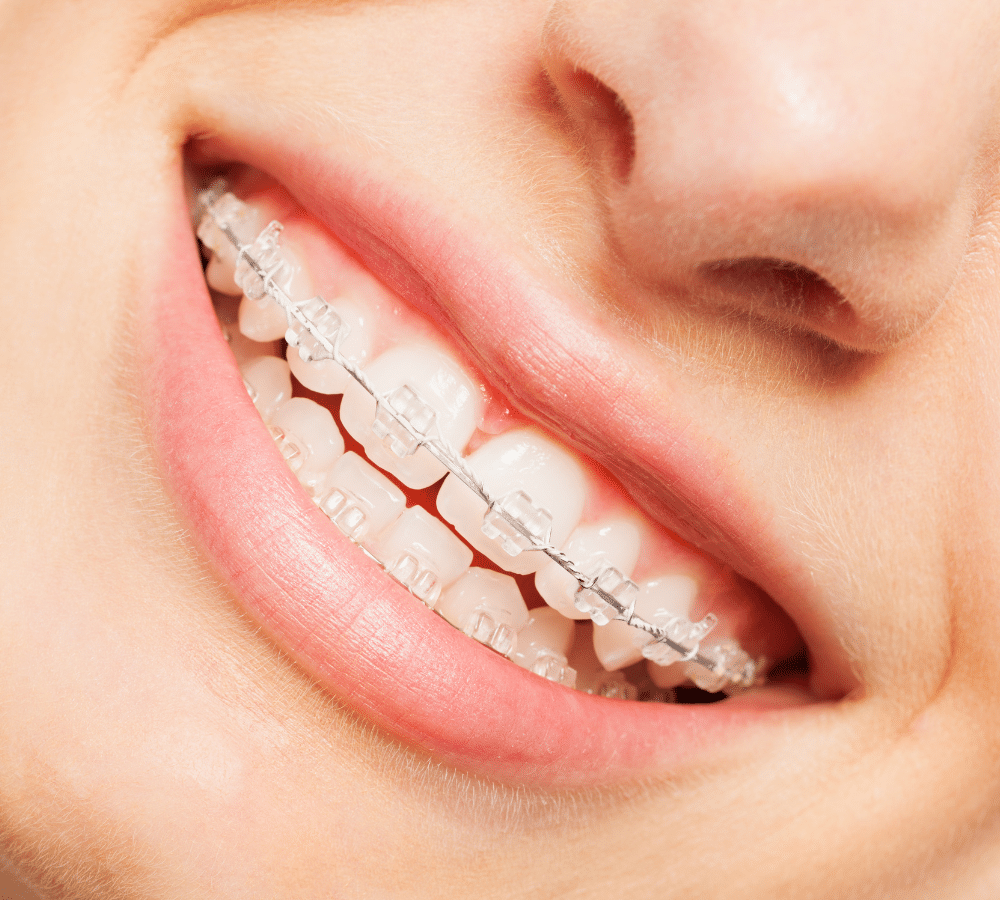
Clear Braces
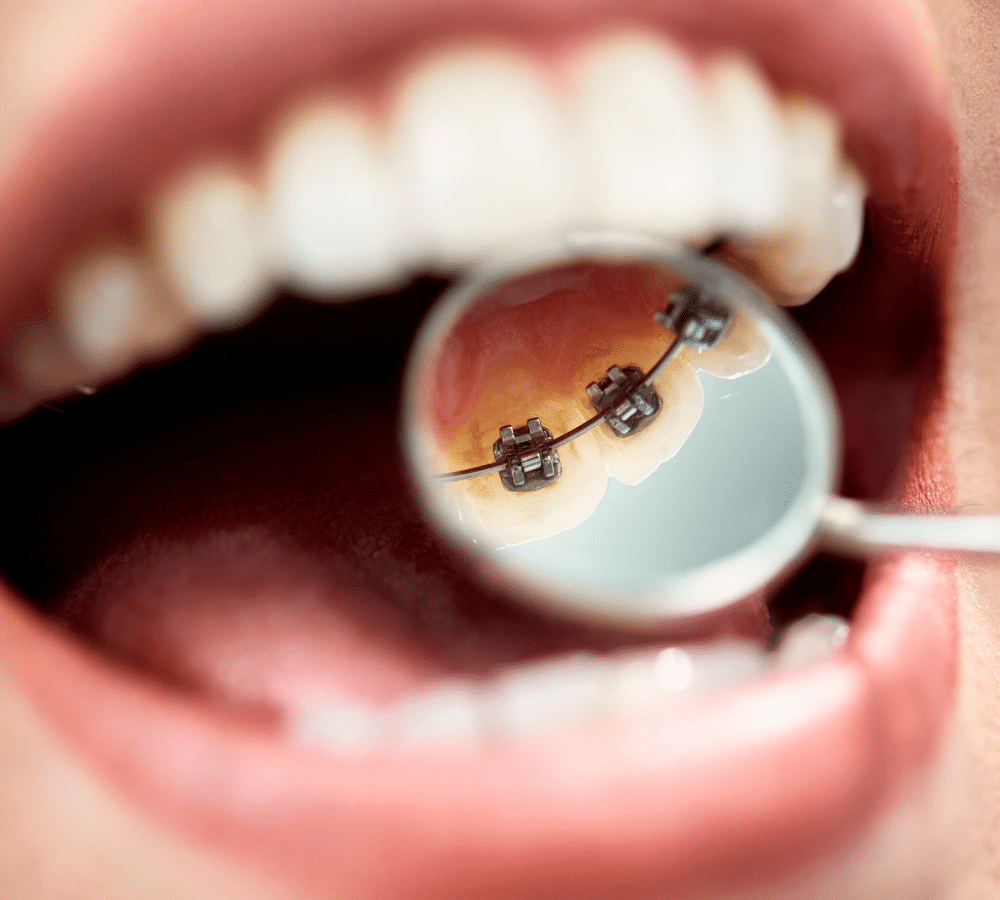
Internal Lingual Braces
What to Expect During Treatment
3D Scan & Labwork
Fitting the Braces
Adjustment and Comfort
Frequently Asked Questions
Will my braces hurt?
Some discomfort is normal, especially when braces are first fitted or after adjustments. Lips and cheeks may feel sore, and teeth may feel tight or tender for up to a week. Orthodontic wax, saltwater rinses, soft foods, and over-the-counter pain relief can help manage discomfort.
How should I care for my teeth while wearing braces?
Excellent oral hygiene is crucial. Brush carefully around brackets and along the gum line, and use tools like floss threaders, superfloss, or interdental brushes to clean between teeth and wires. If your gums bleed or seem puffy, more frequent professional cleanings are recommended.
Do I still need to see my general dentist while wearing braces?
Yes. Your orthodontist manages your braces, but your general dentist ensures your teeth and gums remain healthy. Regular check-ups and cleanings every six months (or as advised) are essential.
I have lost a bracket from my braces.
When a bracket debonds from your tooth, please do not panic. If this does happen we will be here to assist you. We ask that you call or email us so that we can seek advice directly from your treating orthodontist. Remember that we will be available to provide an emergency service should we need to.
Can I wear a sports mouthguard with braces?
Yes, mouthguards can be worn over braces, though frequent use may affect tooth movement. Custom-made mouthguards suitable for braces are available.
How much do braces cost?
The cost of braces varies depending on the type and complexity of treatment. Braces that are custom-made or require additional clinician training, such as lingual braces, may cost more. Your orthodontist will provide an accurate estimate after a consultation.
How often will I need to visit my orthodontist?
Most patients visit their orthodontist every six to eight weeks for adjustments. Complex cases may require more frequent visits. Wires and elastics are typically changed at each appointment.
Who is suitable for braces?
Braces are suitable for patients of all ages who are eligible for orthodontic treatment. Certain types of braces, such as lingual braces, may not be suitable for patients with very deep bites.
Will braces affect my speech?
Some types of braces, such as lingual braces that are fitted to the back of the teeth, may take some getting used to and can temporarily affect speech. Most patients adapt quickly, and their speech returns to normal.
Meet our Specialist Orthodontists
At Smile Solutions all your orthodontic treatment will be carried out by one of our board registered specialist orthodontists.
To qualify as a registered specialist orthodontist in Australia, practitioners must first have the same degree as a general dentist, with honours. They then study for a further three to four years for a Masters degree or equivalent specific training in orthodontics, making them eligible to apply for registration with the Dental Board of Australia as a specialist orthodontist.
Our orthodontists often work in seamless collaboration with our paediatric dentists in cases involving children’s teeth and with prosthodontists and cosmic dentists in cases involving adult oral health and restoration.

Contact Us
Contact Us
"*" indicates required fields
