



At Smile Solutions we choose to provide you with optimal care by a registered specialist orthodontist when it comes to your orthodontic needs.

What is orthodontics?
Orthodontists focus on correcting the position of the teeth so as to improve the occlusion (bite) as well as the appreciate of the jaw and face. An improper bite, or a malocclusion, not only affects appearance but can also indicate jaw dysfunction or problems with underlying bone structure, including overbite, underbite, cross-bite, and crowded or impacted teeth.
Orthodontic Treatments
All members of our team of specialist orthodontists are experienced in a range of procedures, from conventional braces through to internal lingual braces. When you come in for a consultation, your orthodontist, after examining your teeth and bite, will discuss with you the orthodontic treatment options that are most suitable for your needs.

Invisalign No Braces
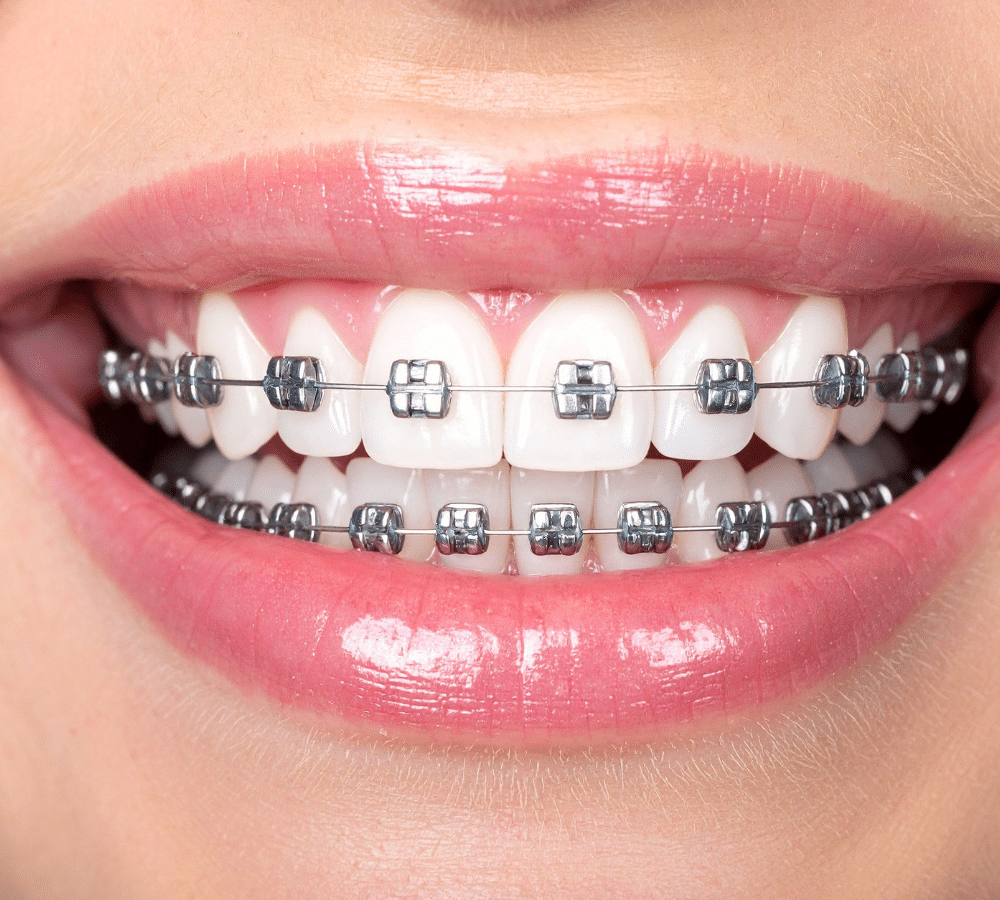
Traditional Braces
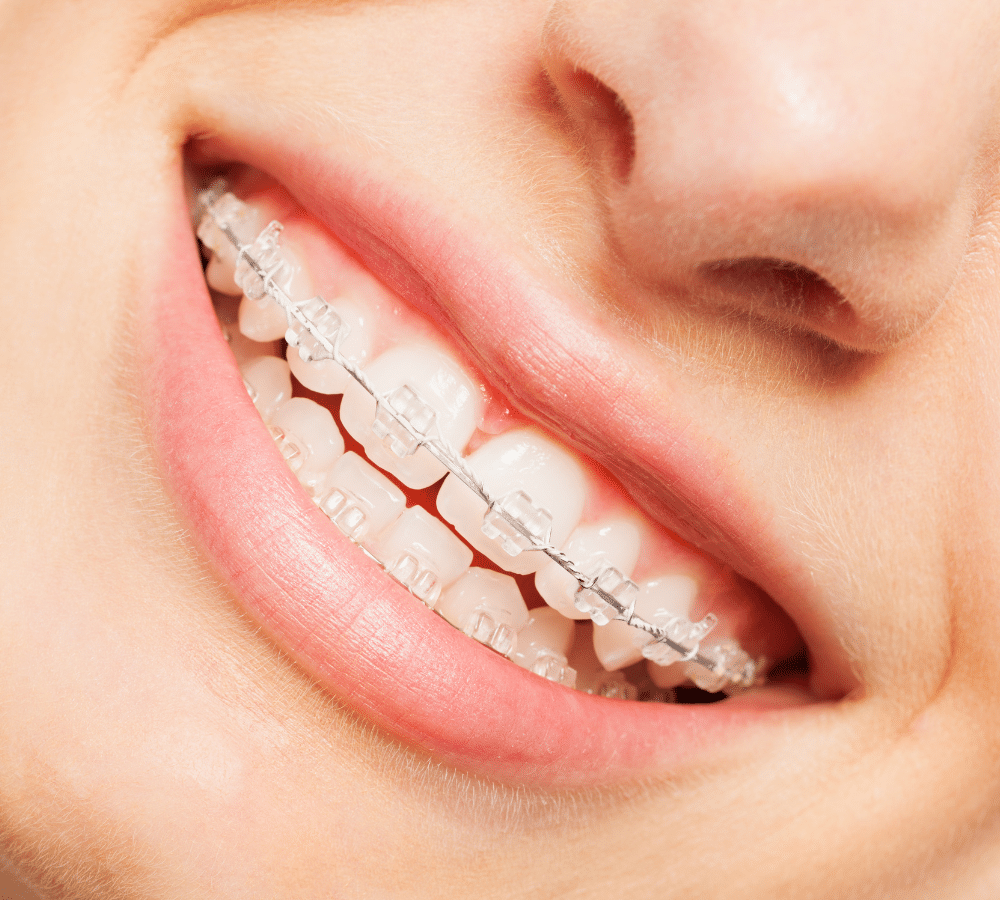
Clear Braces
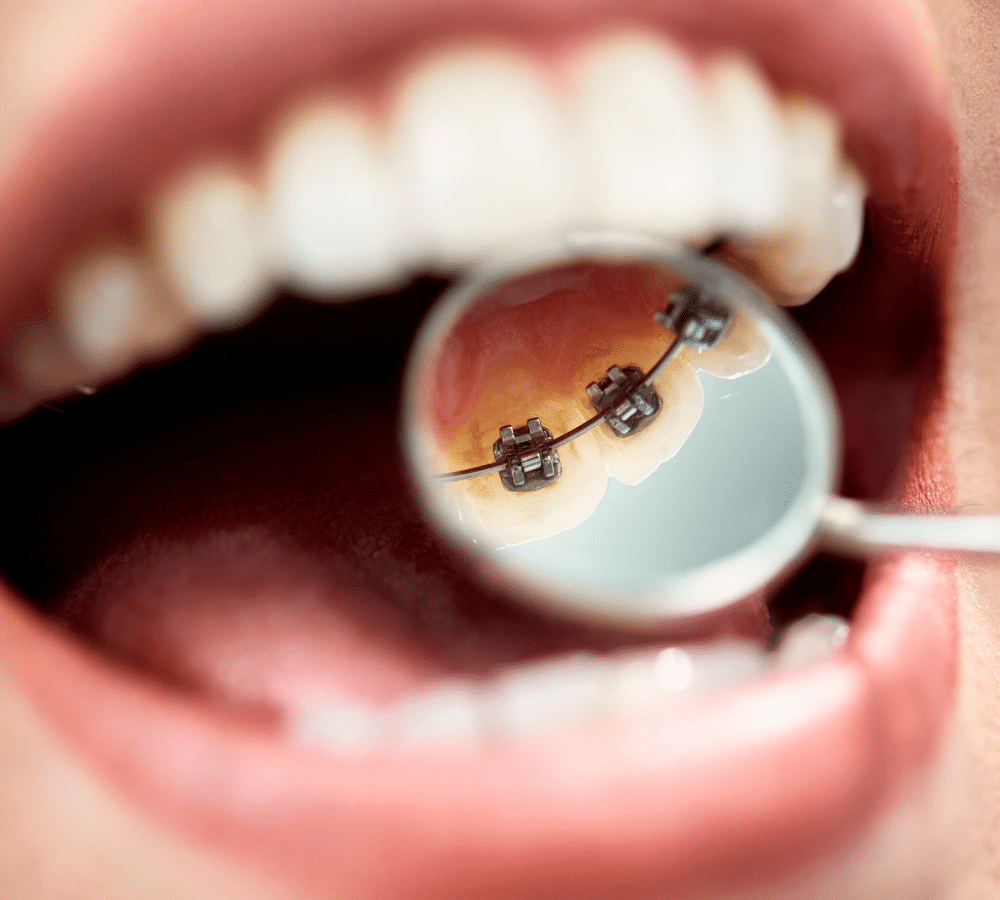
Internal Lingual Braces
Who will provide my orthodontic treatment?
At Smile Solutions all your orthodontic treatment will be carried out by one of our board registered specialist orthodontists.
To qualify as a registered specialist orthodontist in Australia, practitioners must first have the same degree as a general dentist, with honours. They then study for a further three to four years for a Masters degree or equivalent specific training in orthodontics, making them eligible to apply for registration with the Dental Board of Australia as a specialist orthodontist.
Our orthodontists often work in seamless collaboration with our paediatric dentists in cases involving children’s teeth and with prosthodontists and cosmetic dentists in cases involving adult oral health and restoration.
Frequently Asked Questions
Do I need a referral to see a specialist orthodontist?
You do not need a referral to see one of our specialist orthodontist.
What’s the difference between a general dentist and a specialist orthodontist?
Both general dentists and orthodontists play an important role in your oral health, but they have different areas of expertise.
A general dentist is trained to provide comprehensive dental care for patients of all ages. This includes routine check-ups, preventive care, and treatment of common dental issues. Some general dentists are certified to provide Invisalign and can manage mild alignment concerns, as well as support your oral health during orthodontic treatment. If more complex alignment or bite issues are identified, your general dentist can refer you to an orthodontist.
A specialist orthodontist is a registered dental specialist who has completed a general dentistry degree followed by an additional three to four years of advanced training in orthodontics. Orthodontists focus specifically on facial growth and dental development, and are highly skilled in diagnosing and treating crooked teeth, bite problems, and jaw misalignment. They provide a full range of orthodontic treatments, including braces, Invisalign and lingual (behind-the-teeth) braces, for children, teenagers and adults.
If you have concerns about crooked teeth, bite issues or jaw alignment, or would like expert advice on orthodontic treatment options, seeing an orthodontist is often recommended. For routine dental care and ongoing maintenance, your general dentist remains an essential part of your care team.
Do I still need to see my general dentist now that I have an orthodontist?
Your orthodontist will care for your braces and make sure everything is going according to plan, while your general dentist will make sure your teeth stay healthy and clean. Now that you have your braces fitted, it is very important that you visit your general dentist every six months (or as advised by your dentist) for a check-up and a clean.

Contact Us
Contact Us
"*" indicates required fields
