



Dental bonding, also called composite bonding or composite veneers, is a cosmetic dental treatment where a tooth-coloured resin is applied to a tooth to address chips, cracks, misalignment, unevenness, discolouration, or wear.

Composite bonding/veneers
Composite bonding is a versatile and effective way to enhance your smile, helping to refine the size, shape or position of one or more teeth.
Bonding is typically used for targeted corrections, while composite veneers cover the entire front surface of a tooth to create a more uniform appearance across multiple teeth. Treatments can be tailored for subtle enhancements or more noticeable changes, depending on your needs.
The most suitable option depends on your oral health and a professional assessment. Your dentist will also discuss potential risks, limitations, and alternatives to help you make an informed decision.
Video features Dr Amina Barucija (DEN0002314036) – Registered Dentist, General Registration. This video demonstrates an example of the composite bonding process. Results and durability will vary, and your dentist will discuss suitability, alternative treatment options, and any associated risks. Find out more here.
What is the process?
Composite veneers are an elective cosmetic procedure. Suitability and outcomes differ between patients, and your dentist will also review other treatment options if appropriate. More information on treatment considerations can be found here.
Crafting a smile as unique as you
Porcelain Veneers & Crowns
Completed Invisalign Cases
Patients at Smile Solutions
Real patients, real results

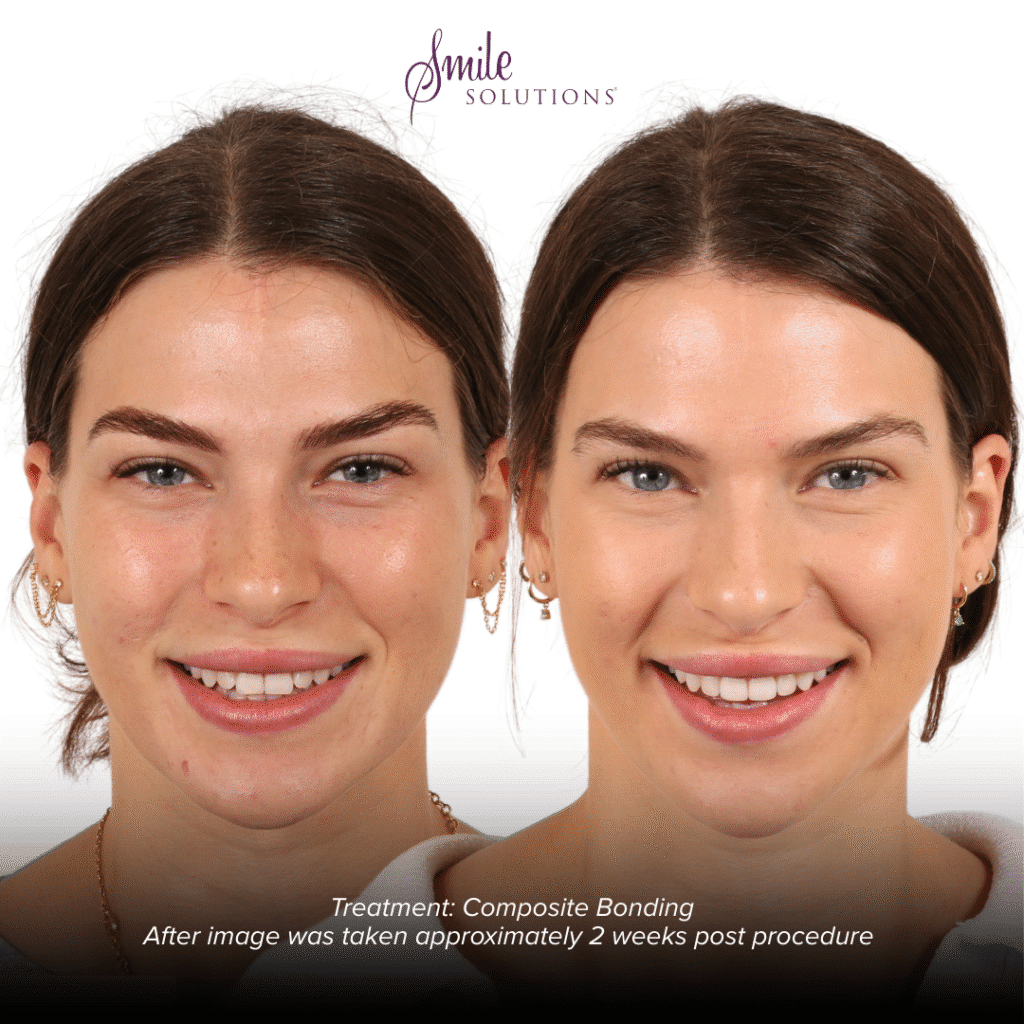
Treatment: Composite bonding. After image taken: approx. 2 weeks post procedure.
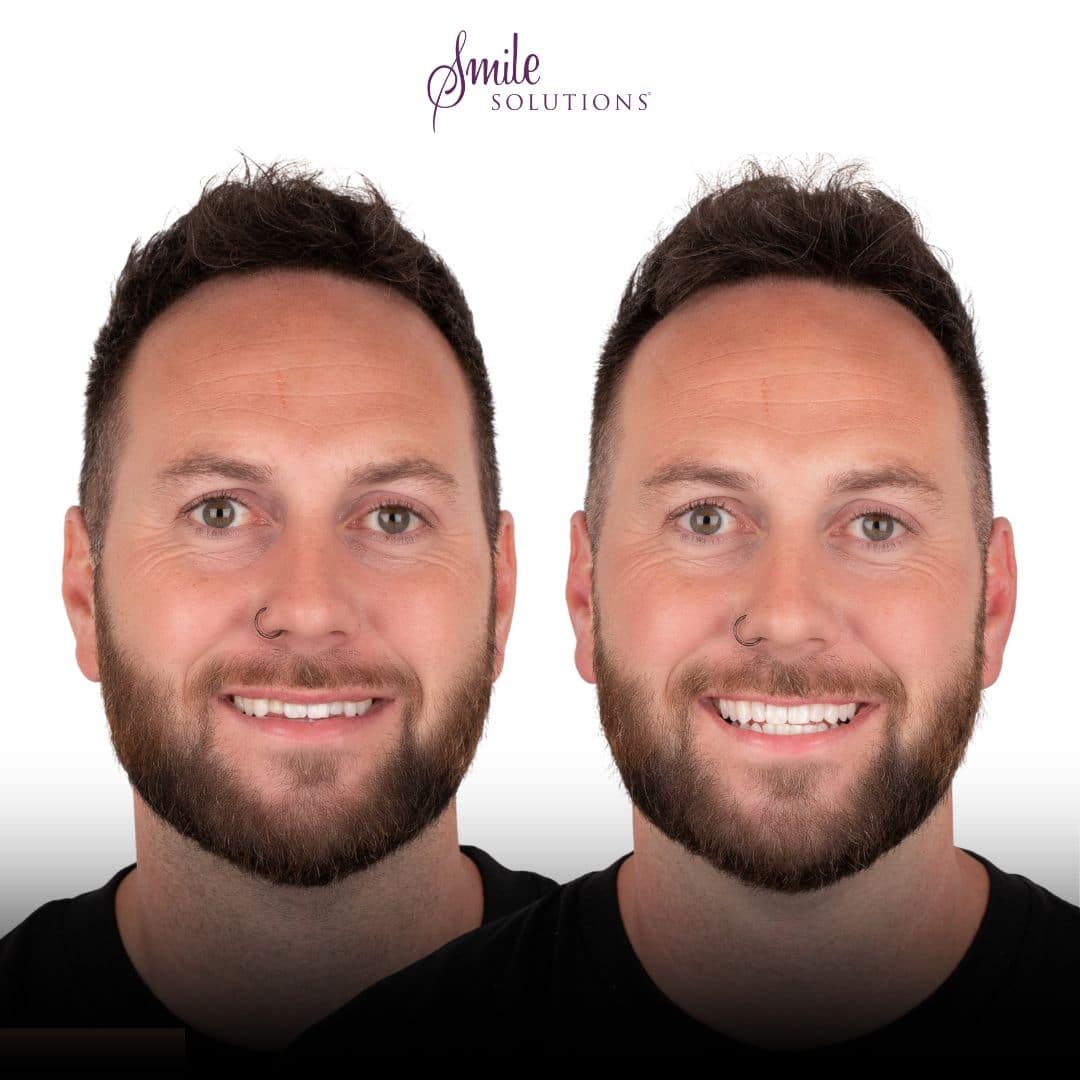
Treatment: Composite bonding. After image taken: approx. 2 weeks post procedure.

Treatment: Composite bonding. After image taken: approx. 2 weeks post procedure.
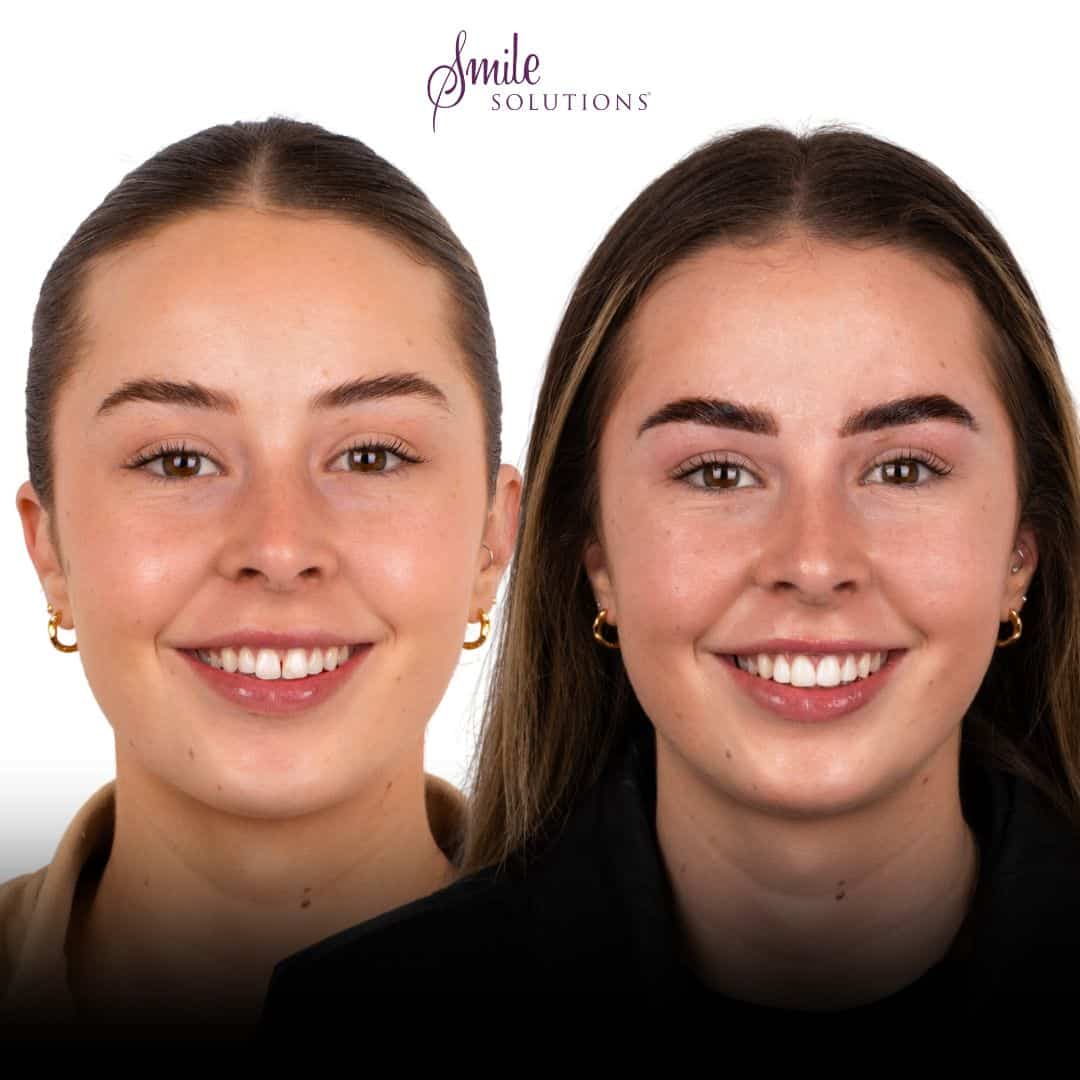
Treatment: Composite bonding. After image taken: approx. 2 weeks post procedure.
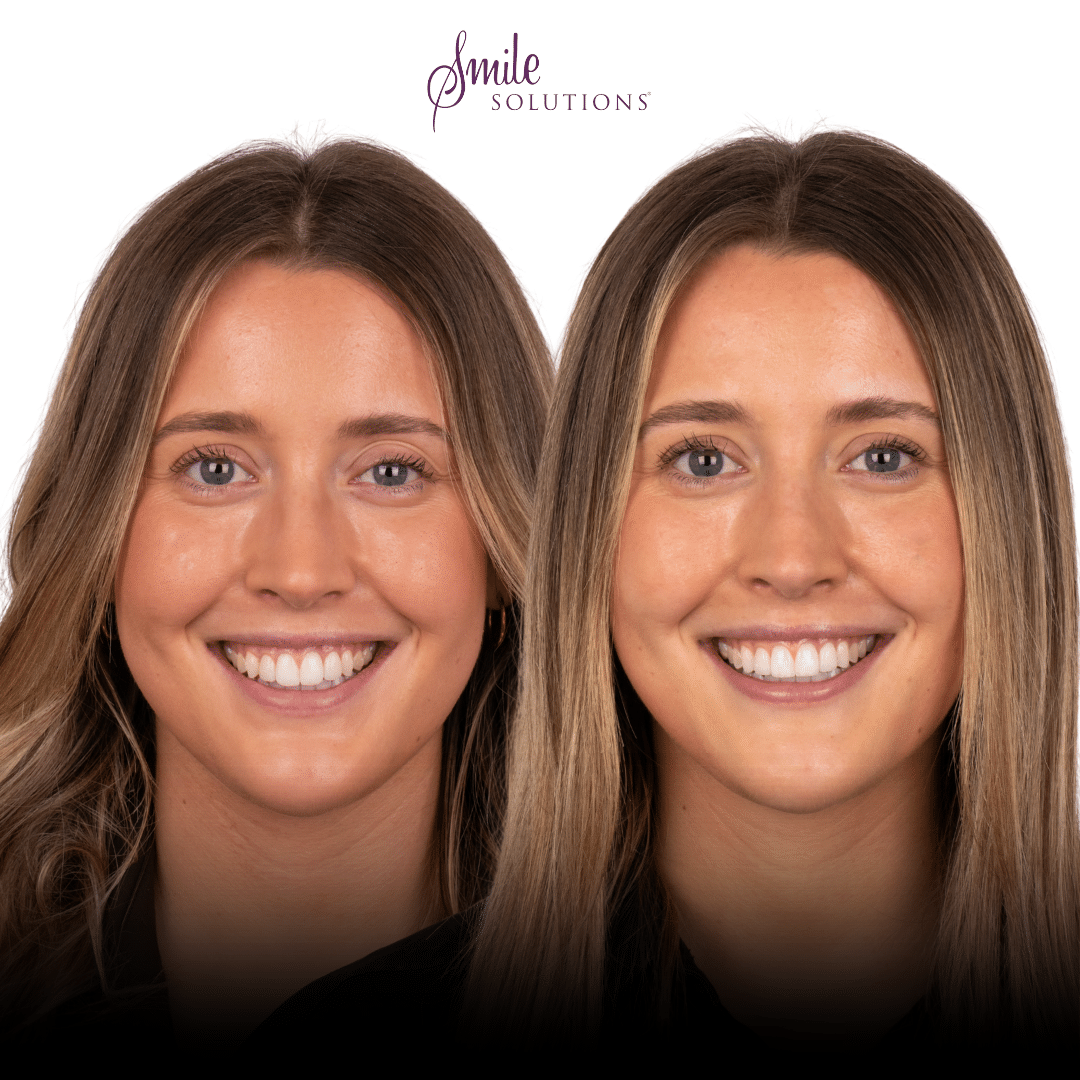
Treatment: Composite bonding. After image taken: approx. 2 weeks post procedure.
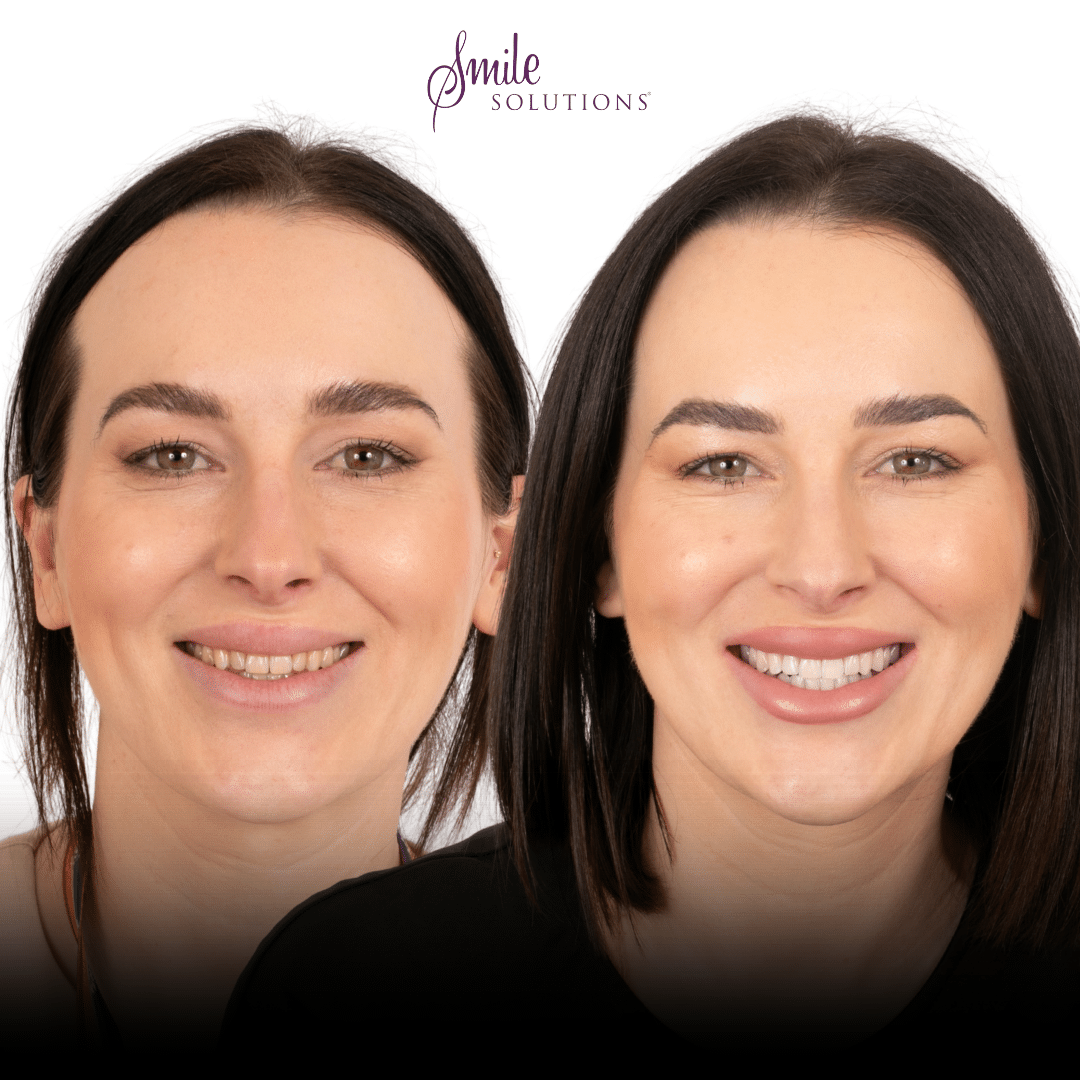
Trusted by over 250,000 patients
All photos and videos are shared with full patient consent. No filters, AI alterations, or unrealistic lighting have been applied.
Results, recovery times and potential risks vary for each individual and procedure. The information provided here is general in nature and intended for those over the age of 18. Undergoing any dental or cosmetic procedure is a significant decision, and patients should seek independent advice from a qualified, AHPRA-registered practitioner before proceeding.
Further details about this procedure, including potential risks, can be found here.
Over 30 years of award-winning service




















Frequently Asked Questions
How do I know if composite bonding is right for me?
Composite bonding, or composite veneers, can be a minimally invasive way to achieve the smile you desire. One of the main benefits is that the procedure often requires little to no tooth reduction and, after careful planning and assessment, can usually be completed in a single visit.
However, composite bonding is not suitable for everyone. The best way to determine if it’s right for you is through a comprehensive examination and discussion with your dentist. In general, composite veneers are an excellent option for people with healthy teeth who need only minor adjustments or improvements to their smile. Your dentist will assess your teeth, bite, and aesthetic goals to recommend the most appropriate and lasting treatment for you.
What is the difference between composite bonding and composite veneers?
Essentially, there is no difference between the two. The term ‘bonding’ is often used when addressing a minor chip on a single tooth, whereas ‘composite veneers’ typically refers to treatment that covers multiple teeth.
How long does composite bonding last?
This can differ depending on the individual’s mouth and lifestyle factors. However, generally, composite veneers can last anywhere between 4 to 10 years.
What is the difference between porcelain and composite veneers?
Porcelain veneers are a thin, custom-made shell that covers just the front surface of a tooth, helping to improve its shape, colour, or alignment.
Composite veneers are made from a tooth-coloured resin material that is applied directly to the tooth. They can be used to make small to moderate changes in shape, repair chips or cracks, correct misalignment or unevenness, improve discolouration or wear, and close small gaps between teeth. Composite veneers are typically made and fitted in a single visit, as they are crafted in-house without the need for a dental laboratory.
How do I choose between composite veneers and porcelain veneers?
Choosing between composite and porcelain veneers depends on your individual goals, budget, and the outcome you hope to achieve. The best option for you can be determined through a thorough assessment and discussion with your dentist, who will consider your teeth, bite, and desired results.
Composite veneers are applied directly to your teeth using a process called dental bonding (the same method used for composite fillings). They can usually be completed in a single visit and are more affordable upfront. However, composite veneers are not as strong as porcelain, are slightly porous, and require regular maintenance. Over time, they can lose their lustre or discolour, which may require polishing or replacement, adding to long-term costs.
Porcelain veneers are more durable and natural-looking, resist staining, and require less maintenance, making them a cost-effective option over time. They are custom-made, either in a dental laboratory or chair-side, and are usually placed during a second visit after your initial consultation.
Ultimately, your clinician will guide you on which option best suits your teeth, lifestyle, and smile goals to ensure the most predictable and lasting results.
Are you considering composite bonding?
If you are interested in understanding how to improve your smile with cosmetic dentistry, our complimentary Design Your Smile consultation has been designed with you in mind. You will meet with our highly experienced treatment coordinator and experienced cosmetic dentists to discuss the options available to you based on your individual expectations and budget.
By visualising how your final smile will actually look within this complimentary consultation, you will be well placed to make the right treatment decision.
Are you ready to build your dream smile? Contact us now on 13 13 96 to book your complimentary Design Your Smile consult.
Please note this appointment is a discussion only and does not include a check-up, x-rays, scans or any other clinical treatment. A $50 refundable deposit is required to secure the appointment.

Contact Us
Contact Us
"*" indicates required fields
