



Dental bridges are fixed dental appliances used to replace one or more missing teeth. As the name suggests, they “bridge” the gap created by missing teeth, restoring both function and appearance.
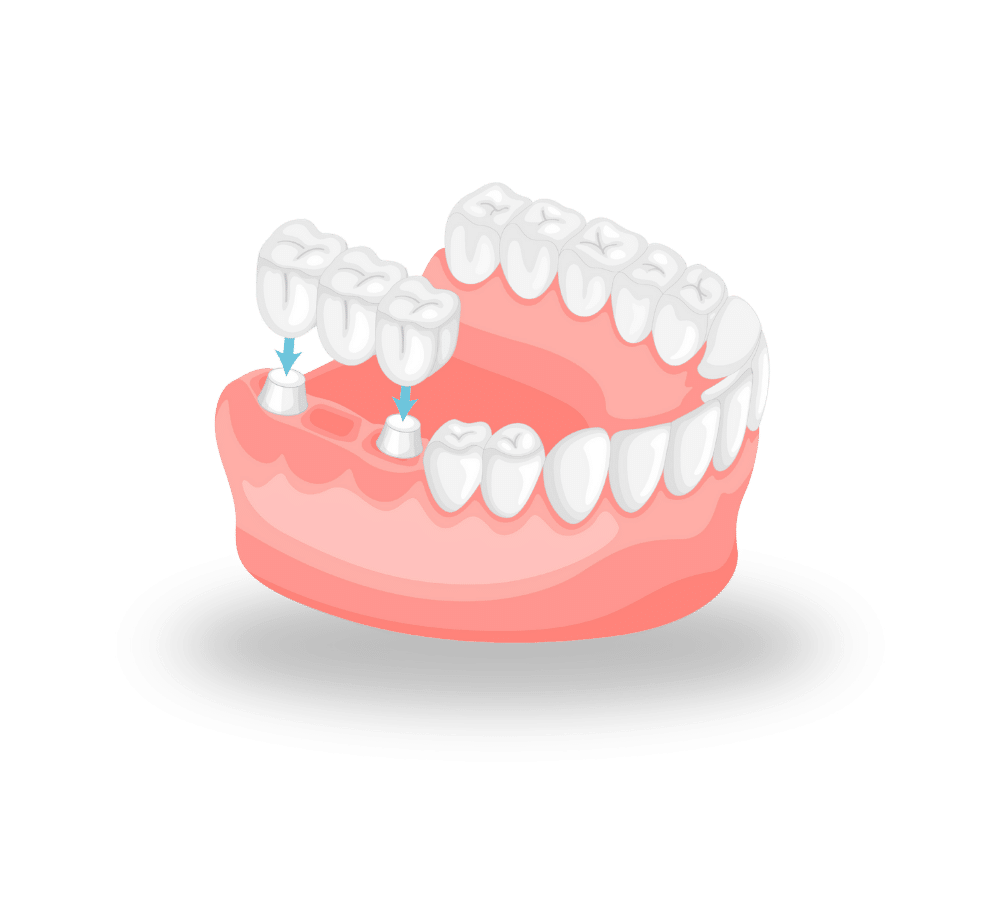
What are dental bridges?
A dental bridge is made up of one or more artificial teeth (called pontics) that are supported by neighbouring teeth or dental implants. The supporting teeth are known as abutment teeth.
Dental bridges can be made from a range of materials, including gold, metal alloys, porcelain, zirconia, or a combination of these. When carefully planned and crafted, a bridge restores your smile so it looks natural and functions comfortably for everyday activities such as chewing and speaking.
At Smile Solutions, dental bridges are carefully crafted using high-quality materials designed to closely mimic the look and feel of natural teeth. Each bridge is tailored to your individual smile, with consideration for durability, comfort and aesthetics. Bridges may help restore function and appearance, supporting your ability to chew, speak and smile.
Types of dental bridges
There are four main types of dental bridges. Your dentist will recommend the most suitable option based on your individual needs.
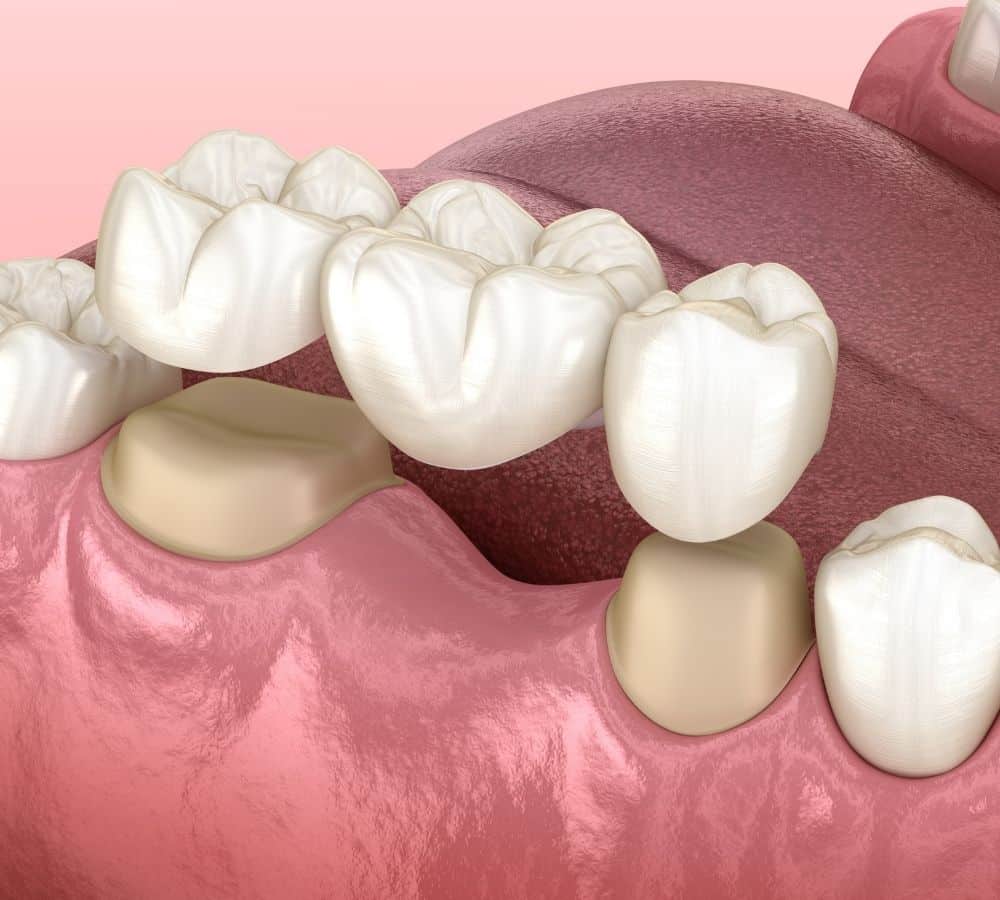
Conventional bridge
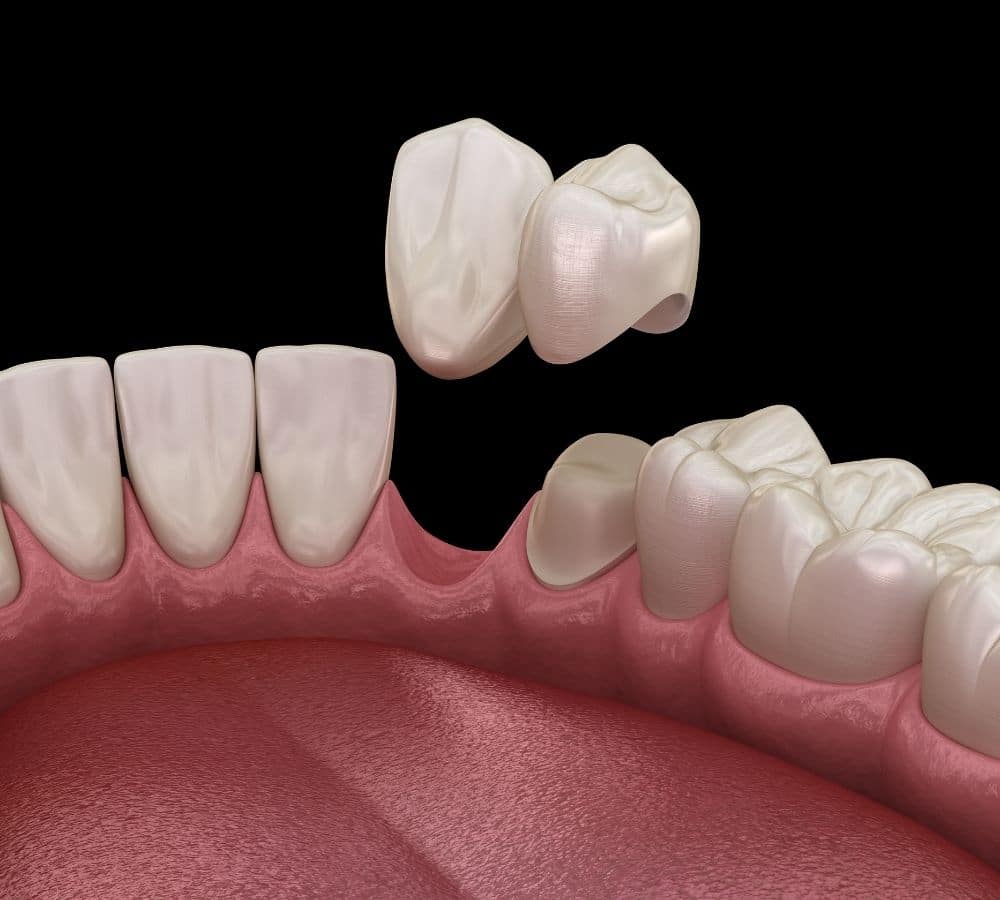
Cantilever bridge
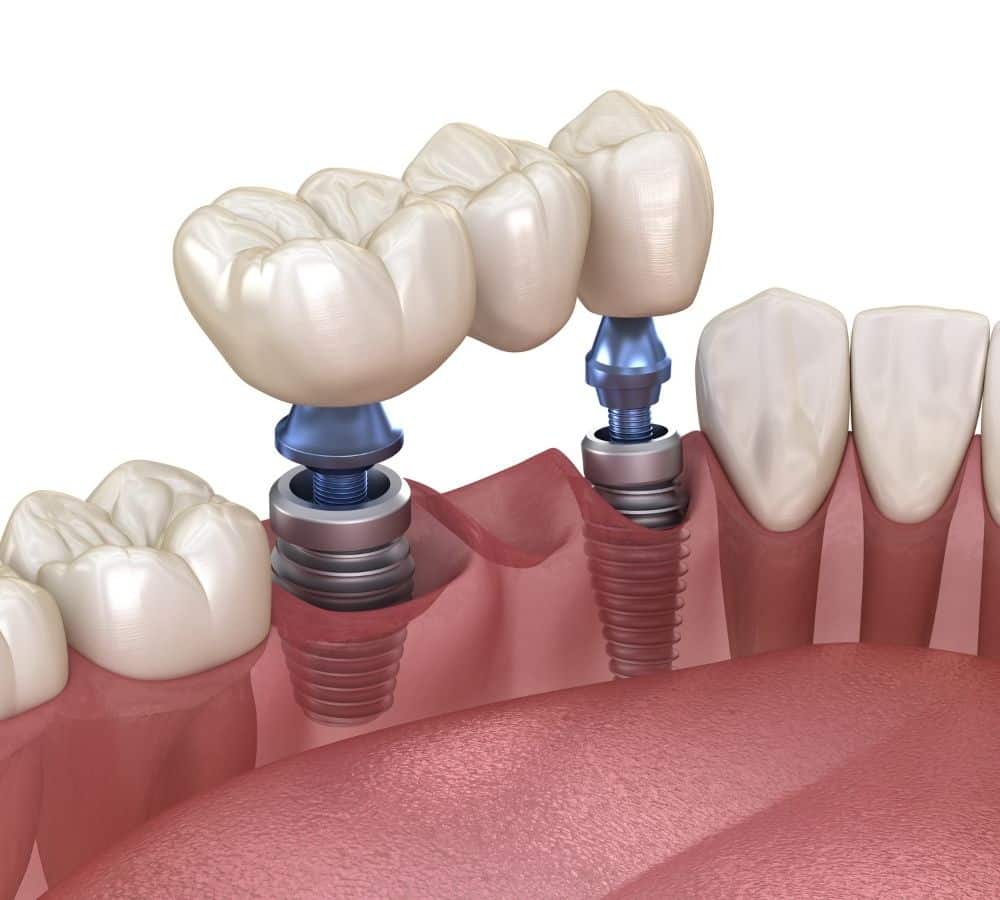
Implant-supported bridge
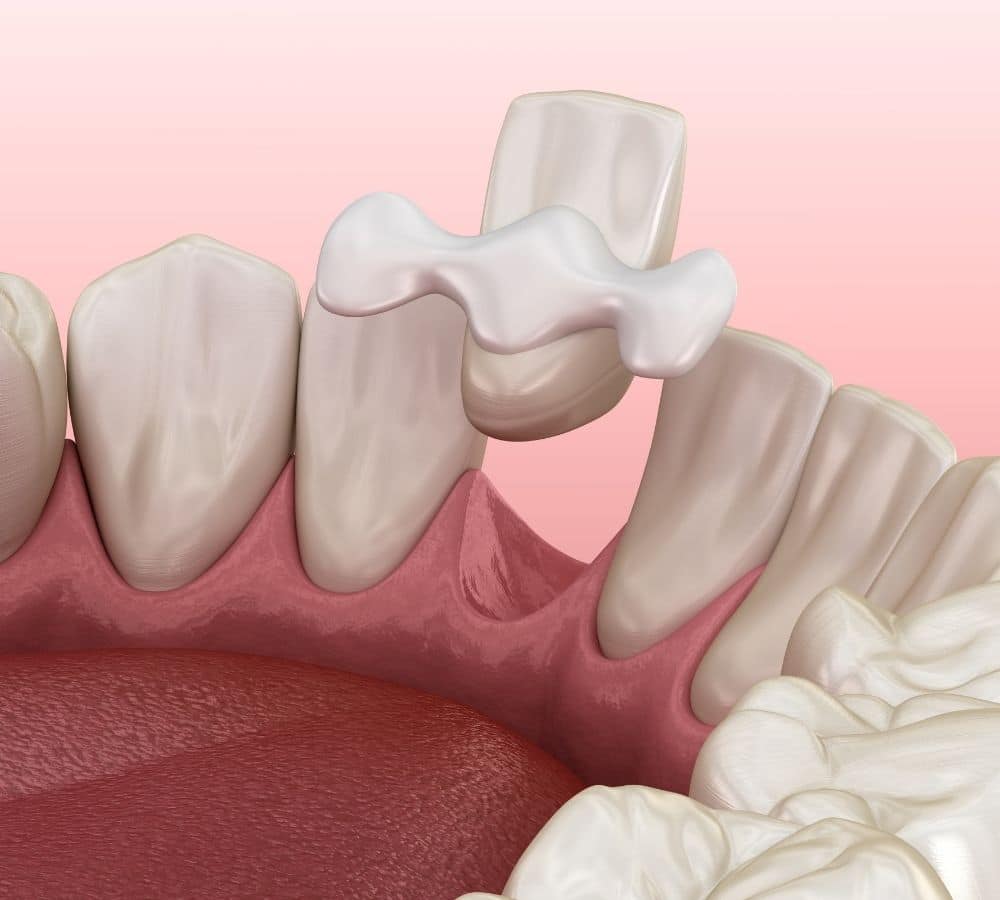
Maryland bridge
Frequently Asked Questions
How do I choose the right dental bridge?
Choosing the right dental bridge depends on several factors, including the number and position of missing teeth, the health of the surrounding teeth, and whether dental implants are suitable for you. Your clinician will also consider your bite, jawbone health, lifestyle and budget before recommending the most appropriate option.
How long do dental bridges last?
With good oral hygiene and regular dental check-ups, dental bridges can last many years. The lifespan varies depending on the type of bridge, the materials used, and how well they are cared for. Implant-supported bridges tend to have the longest longevity.
Are dental bridges removable?
Most dental bridges are fixed in place and cannot be removed by the patient. This provides stability and allows the bridge to function like natural teeth. Your dentist will show you how to clean around your bridge to keep it healthy.
Will a dental bridge look natural?
Yes. Modern dental bridges are custom-made to match the colour, shape and size of your natural teeth. Materials such as porcelain and zirconia are designed to blend seamlessly with your smile.
How do I care for a dental bridge?
Caring for a dental bridge involves brushing twice daily, cleaning carefully around the bridge, and using floss or special cleaning aids to remove plaque beneath the pontic. Regular professional cleans and dental reviews are important to maintain the health of the supporting teeth and gums.
Can anyone get a dental bridge?
Most people are suitable candidates for a dental bridge, however this depends on overall oral health. Conditions such as gum disease, insufficient jawbone (for implants), or heavily damaged supporting teeth may need to be addressed before a bridge is placed.
What are the alternatives to dental bridges?
Alternatives include dental implants or removable partial dentures. Your clinician can explain the benefits and limitations of each option and help you decide which solution best suits your needs.
Am I suitable for an implant-supported bridge?
Patients considering implant-supported bridges must have sufficient healthy jawbone to support the implants. Additional imaging such as X-rays or CT scans may be required to assess bone quality and quantity. While this option involves surgery, a longer treatment time and higher cost, implant-supported bridges are highly durable and can last for many years, often making them a long-term investment in oral health.
How much do dental bridges cost?
The cost of a dental bridge varies depending on the type of bridge, the number of teeth being replaced, the materials used, and whether dental implants are involved. Your clincian will discuss suitable options and provide a personalised treatment plan following an assessment.

Contact Us
Contact Us
"*" indicates required fields
